
The U.S. Bureau of Labor Statistics releases its July Employment Situation report tonight at 9:30 PM Korea time (8:30 AM ET). Wall Street expects nonfarm payrolls to rise by 83,000 with unemployment holding at 4.2%. The ADP private payrolls report released two days earlier came in soft at just 44,000, stoking concern that tonight’s official print could also fall short of expectations.
Over the past 60 trading sessions, the correlation between the KOSPI and the Nasdaq 100 has climbed to roughly 0.5 — its highest level since 2021. U.S. Big Tech’s AI capex cycle and Korea’s semiconductor exports are moving in near lockstep, which means tonight’s data is likely to ripple directly into the domestic market as well.
Scenario 1 — In Line With Expectations (Goldilocks)
Payrolls land in the 70,000–90,000 range with unemployment holding near 4.2%. This reading would signal the labor market is cooling gradually without a sharp downturn — a soft landing intact.
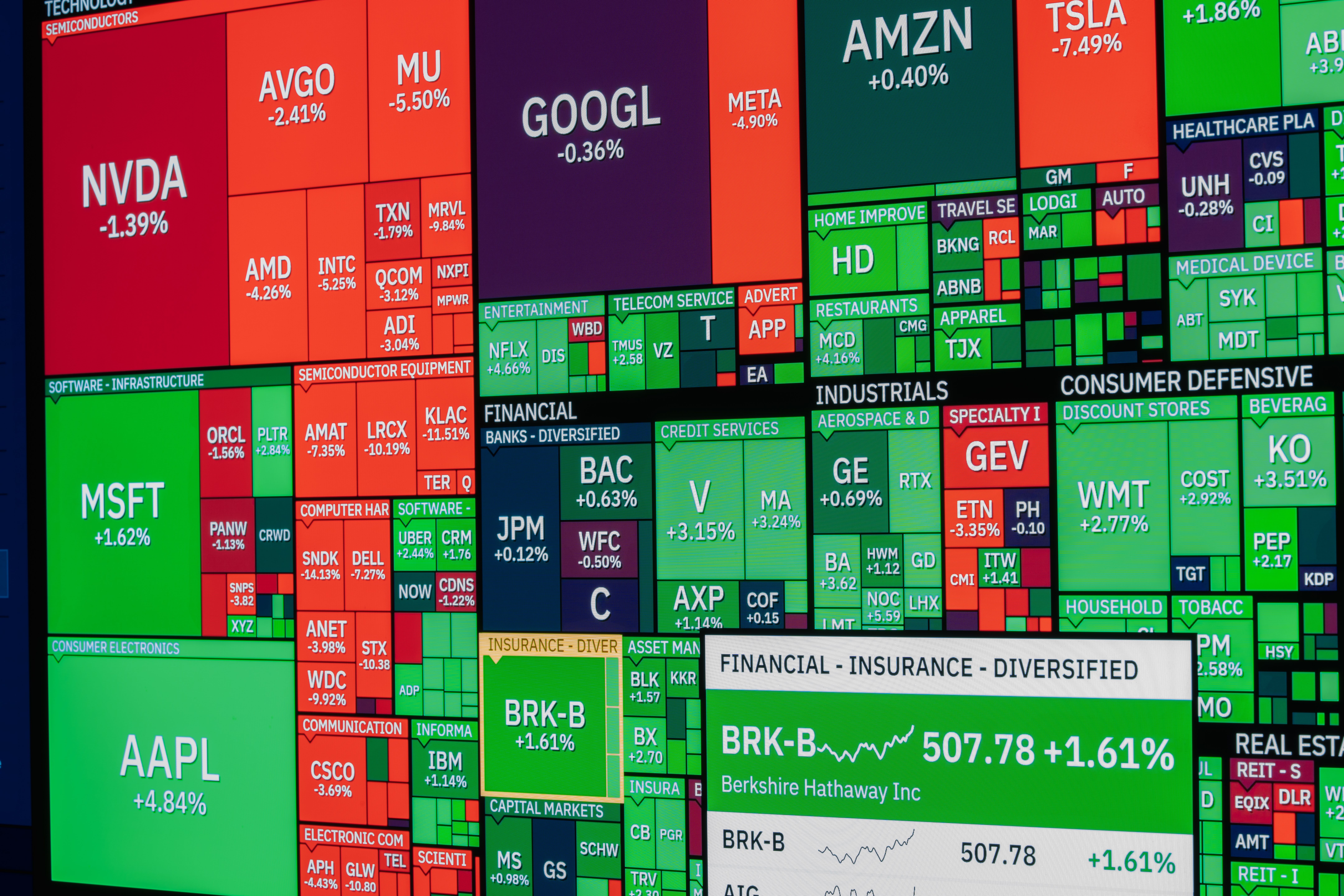
U.S. equities would likely see a relief rally. Large-cap tech names such as Nvidia, Microsoft, and Alphabet — which have pulled back on valuation concerns — would be the most likely beneficiaries of a rebound. Domestic markets should see a similar lift as risk appetite returns, with foreign inflows supporting large-cap semiconductor names like Samsung Electronics and SK Hynix. The won is likely to stay range-bound against the dollar without a clear directional move.
Scenario 2 — Stronger Than Expected (Hot Employment)
Payrolls surge past 120,000 and unemployment falls below 4.1%. What markets would actually need to price in here isn’t a “rate hike” — it’s a pullback in expectations for further cuts this year. With the Fed already in an easing cycle, a single strong jobs print is unlikely to flip policy all the way to hikes. But the odds of a September cut would likely fade, and concern that the higher-for-longer phase runs longer than hoped could build meaningfully.
In this path, high-valuation growth stocks — which are priced on future earnings discounted to the present — tend to wobble first, with the Nasdaq bearing the brunt of any pullback. Domestically, a rise in Treasury yields and the dollar index would put pressure on the won and could expose the market to foreign selling. Expect discussion of trimming large-cap exposure in semiconductors and autos, with some rotation toward lower-rate-sensitivity defensives like telecom and utilities.
Scenario 3 — Weaker Than Expected (Employment Shock)
Payrolls come in at 40,000 or below — or negative — with unemployment climbing past 4.3%. This would effectively confirm the ADP shock (44,000) seen earlier this week, and recession fears could move to the center of market attention.
Stocks may initially hold up on rate-cut hopes, but that support risks giving way to concerns about weakening corporate earnings and a slowing AI capex cycle, potentially triggering broad-based selling in U.S. equities. Domestically, large-cap semiconductor names — which make up more than half of KOSPI’s market cap — are directly exposed to any pullback in hyperscaler server spending, raising the risk of an outsized decline. The direction of the won gets more complicated in this scenario: Fed rate-cut expectations alone would argue for dollar weakness, but if global recession fear intensifies, safe-haven demand for the dollar could reassert itself — potentially pushing the exchange rate higher (won weaker) even as the Fed leans dovish.
Scenario Summary
| Scenario 1 (In line) | Scenario 2 (Hot) | Scenario 3 (Shock) | |
|---|---|---|---|
| Fed policy outlook | Current path holds | Cut expectations pull back | Pressure for deeper cuts |
| U.S. equities | Relief rally | Growth-led pullback | Volatility, then decline |
| KOSPI | Broad semiconductor strength | Large-cap weakness, defensive rotation | Risk of outsized semiconductor decline |
| USD/KRW | Range-bound | Higher (weaker won) | Mixed, upside risk possible |
Strategist View and Positioning
All three major U.S. indices — the Nasdaq, Dow, and S&P 500 — remain in an uptrend heading into tonight’s release.
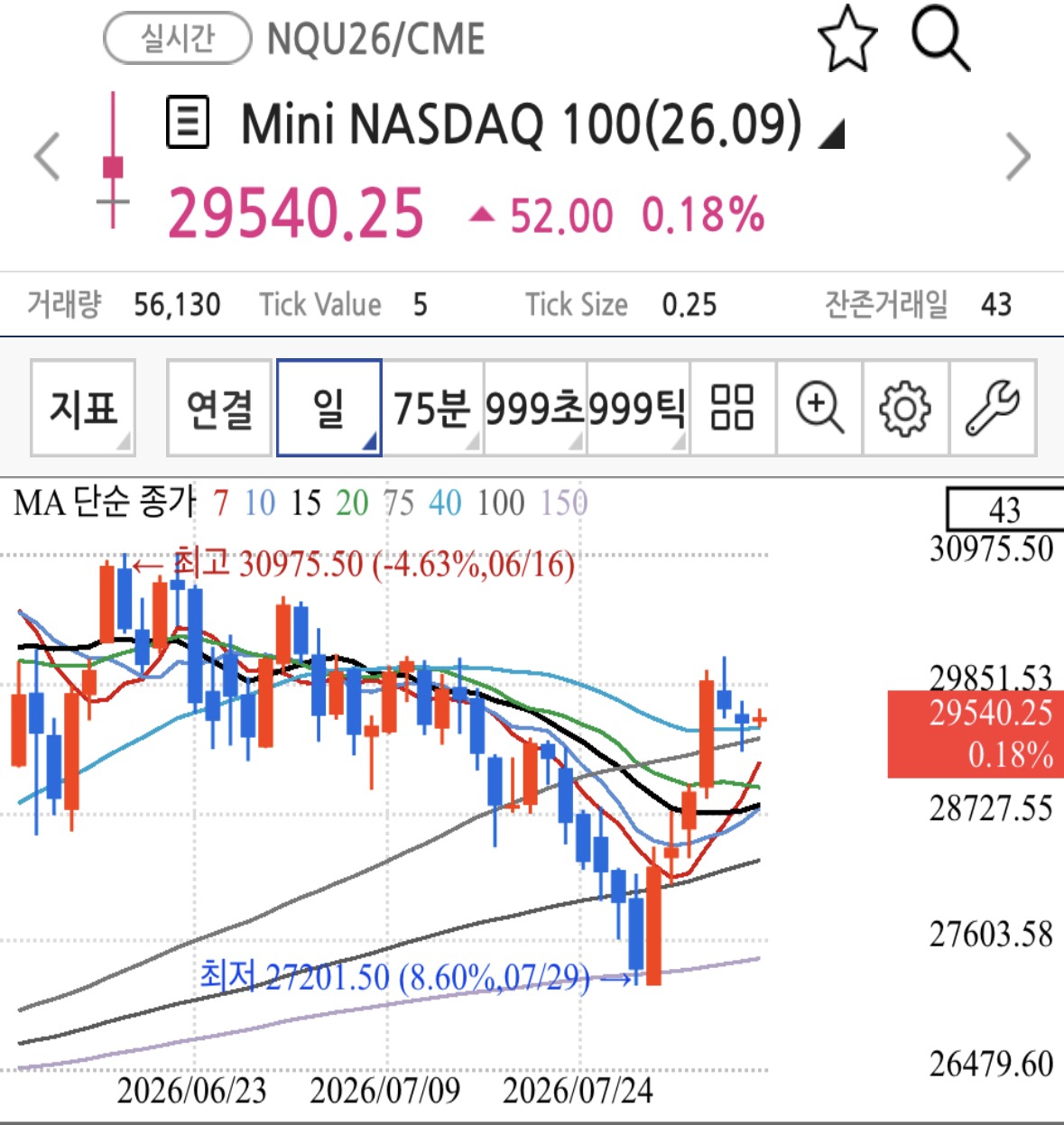
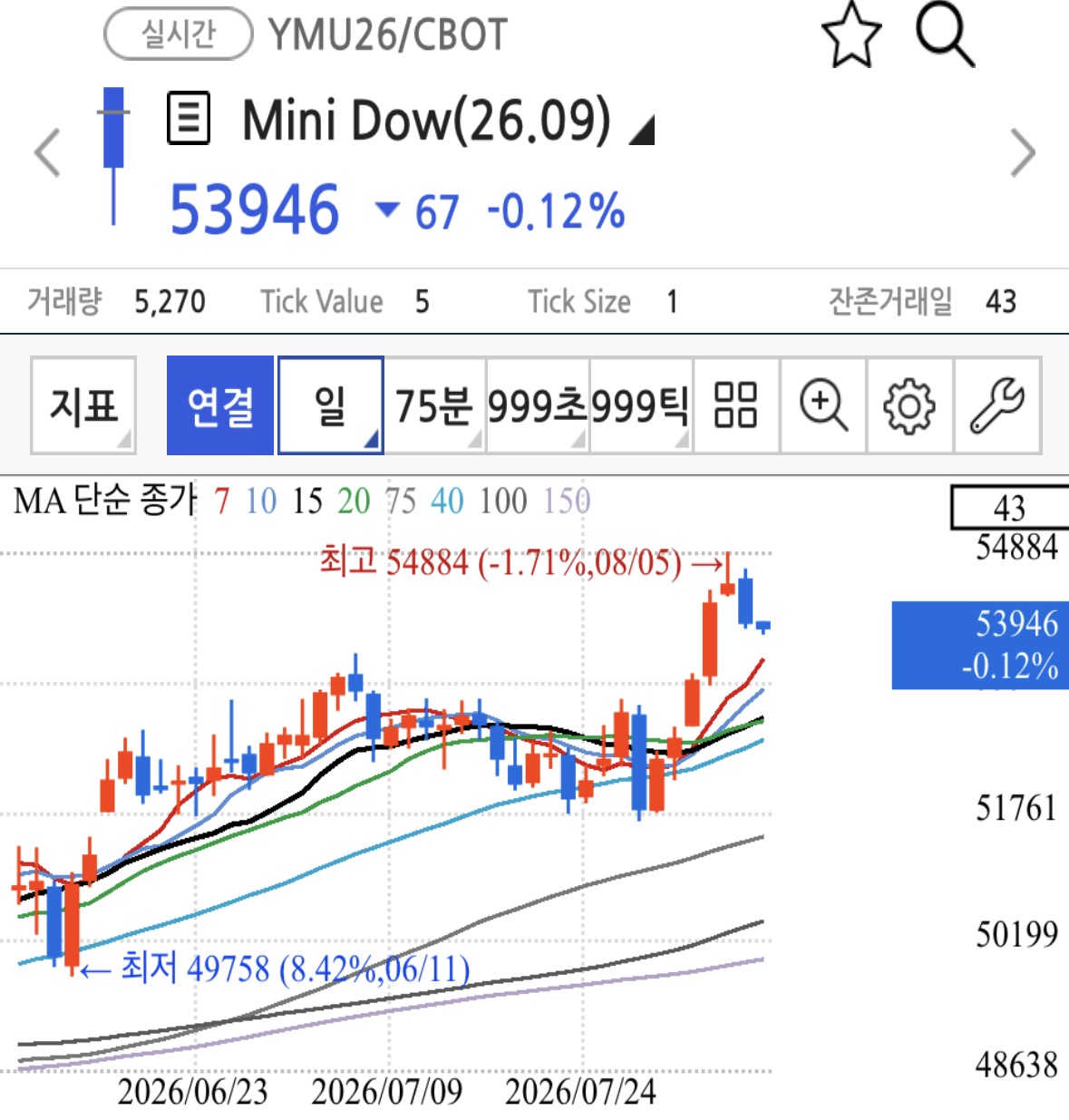
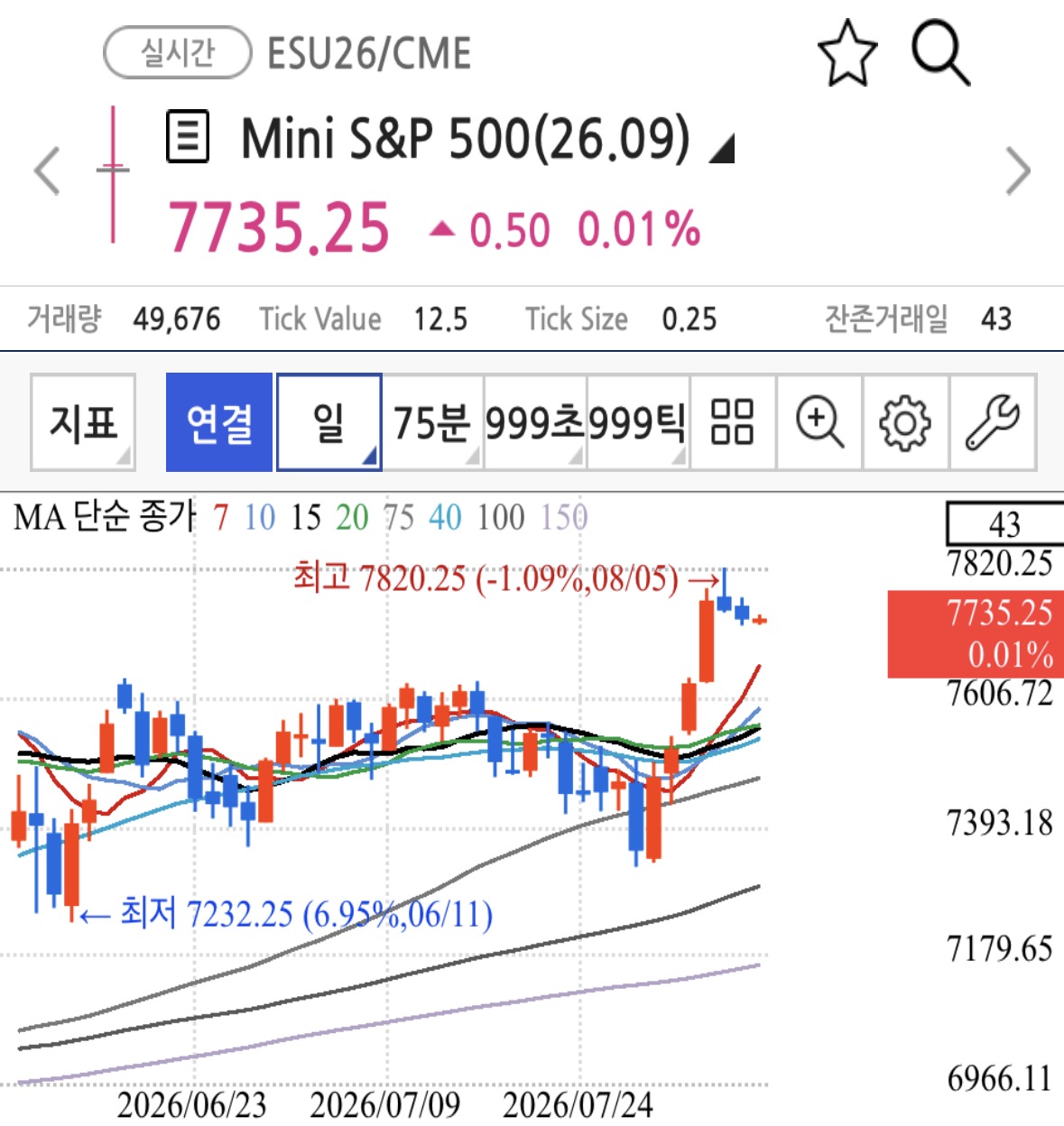
Even if tonight’s release triggers a bout of short-term volatility, the prevailing view among strategists is that any pullback is more likely to be absorbed within the broader uptrend than to mark a trend reversal.

Newsroom
Global Markets