
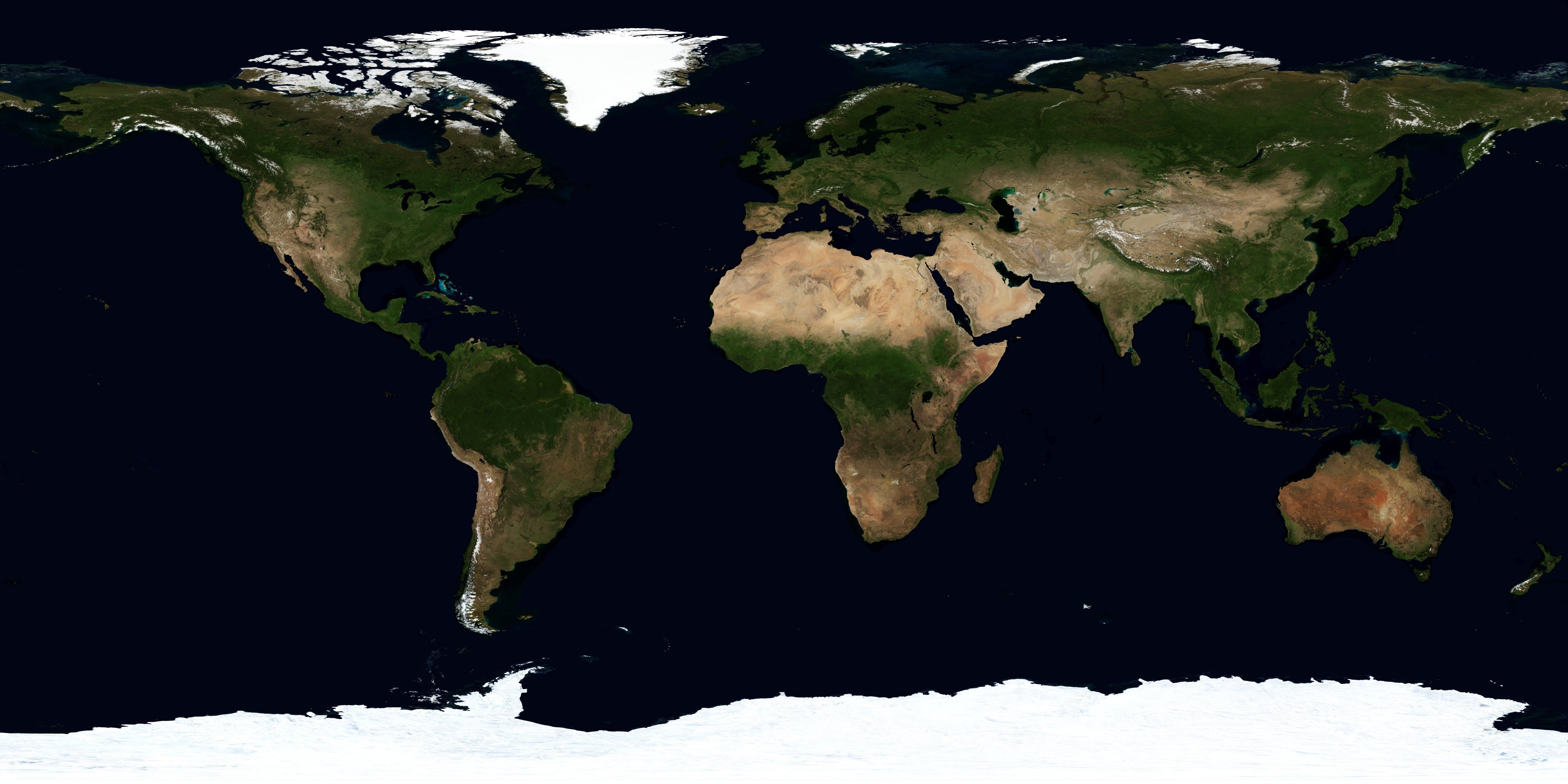
China is aggressively positioning itself to become a dominant manufacturing hub for the global Muslim world, aiming to capitalize on the vast and growing halal consumer market. This strategic move is part of Beijing’s broader economic expansion and geopolitical influence efforts, seeking to deepen ties with Muslim-majority countries.
This initiative aligns with China’s ambitious Belt and Road Initiative (BRI), which seeks to strengthen trade and connectivity across Asia, Africa, and Europe. Leveraging its enormous manufacturing capacity, competitive pricing, and well-developed logistics networks, China is expanding its exports of halal-certified goods. These include not only traditional items like modest clothing but increasingly sophisticated products such as halal pharmaceuticals, cosmetics, and processed foods. In 2023, China emerged as the leading exporter of halal goods and services to the 57 member states of the Organization of Islamic Cooperation (OIC), with shipments totaling $32.5 billion.
The global halal economy, serving approximately 2 billion Muslims, is estimated at nearly $2.3 trillion, with projections suggesting it could surge to between $9.5 trillion and $10.5 trillion by 2030. However, this ambition is fraught with significant challenges. China faces widespread international condemnation over its treatment of Muslim minorities, particularly the Uyghurs in its Xinjiang region. This human rights record presents an “uncomfortable contradiction” that could undermine its soft power and trade relations with Muslim-majority countries. Furthermore, China lacks a unified national halal certification standard, which could impede trust and market penetration in some Islamic nations.
For investors, China’s push into the Muslim world’s manufacturing sector suggests increased opportunities for Chinese industrial and consumer goods companies. Conversely, companies in Muslim-majority countries may face heightened competition from Chinese imports but could also benefit from enhanced supply chains and technological transfers. The success of this strategy hinges on China’s ability to navigate geopolitical sensitivities and address certification hurdles, impacting global trade flows and potentially fostering new economic alignments that shift manufacturing influence worldwide.

newsroom
Global Markets