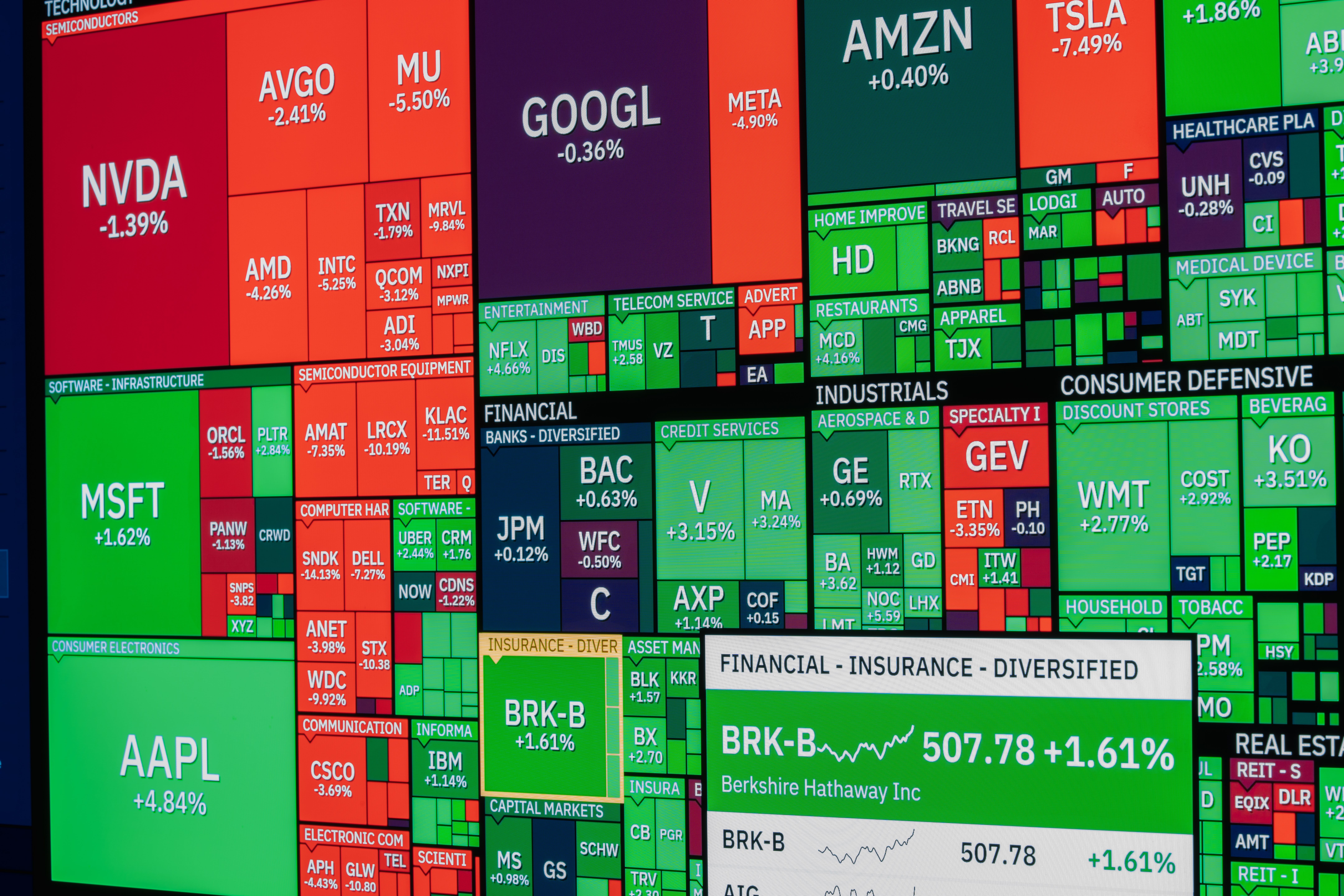
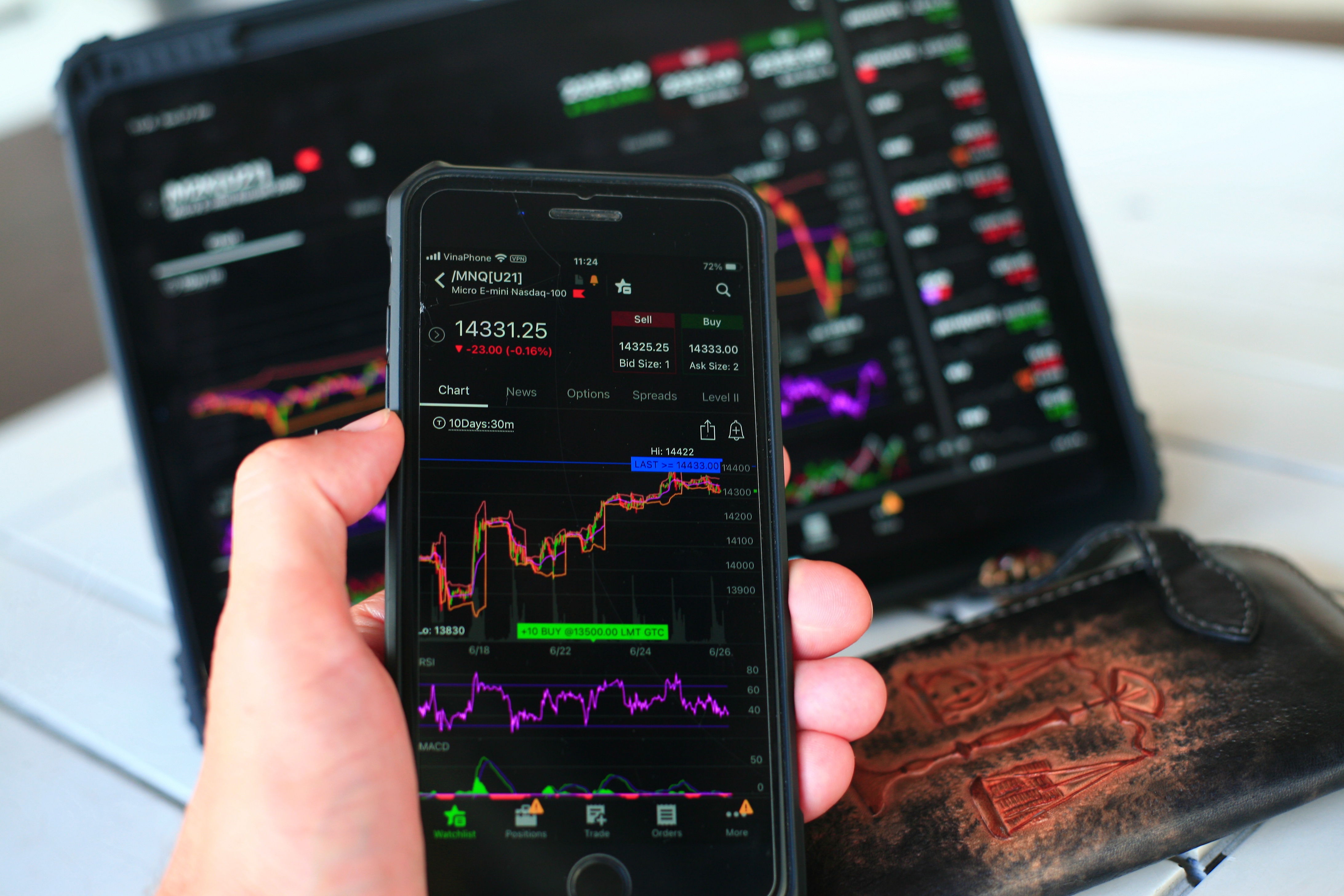
Global stock markets are exhibiting an unusual state of calm, largely propelled by investors’ “fear of missing out” (FOMO) rally. Major benchmarks, such as the S&P 500 index, have demonstrated robust performance, gaining approximately 20% over the past year. Concurrently, the Cboe Volatility Index (VIX), often referred to as Wall Street’s “fear gauge,” has remained at low levels, typically around 14-15, signaling subdued market turbulence.
This prevailing market optimism is fueled by a confluence of factors. Expectations that the U.S. Federal Reserve will maintain current interest rates, coupled with strong corporate earnings reports – particularly from technology companies benefiting from the artificial intelligence (AI) boom – have significantly boosted investor confidence. Additionally, despite persistent geopolitical risks, particularly in the Middle East, signs of moderating inflation pressures have contributed to a generally positive market sentiment.
However, this “eerie calm” is raising concerns among some market observers. Critics point to potentially elevated stock valuations and warn that the market’s current excessive optimism could lead to a sharp correction. Skepticism also stems from lingering risks, including the potential for a global economic slowdown and persistent geopolitical uncertainties, which could still trigger significant market downturns.
While this buoyant sentiment could continue to drive equities higher in the near term, it also introduces a significant risk of increased market volatility if unforeseen events occur or if market expectations are not met. Should investor optimism wane or if central bank policy deviates from the current expectation of holding rates steady, a downward pressure on stock prices could ensue. This scenario might trigger a flight to safety, influencing bond prices to rise and potentially impacting specific commodity markets.

newsroom
Global Markets