
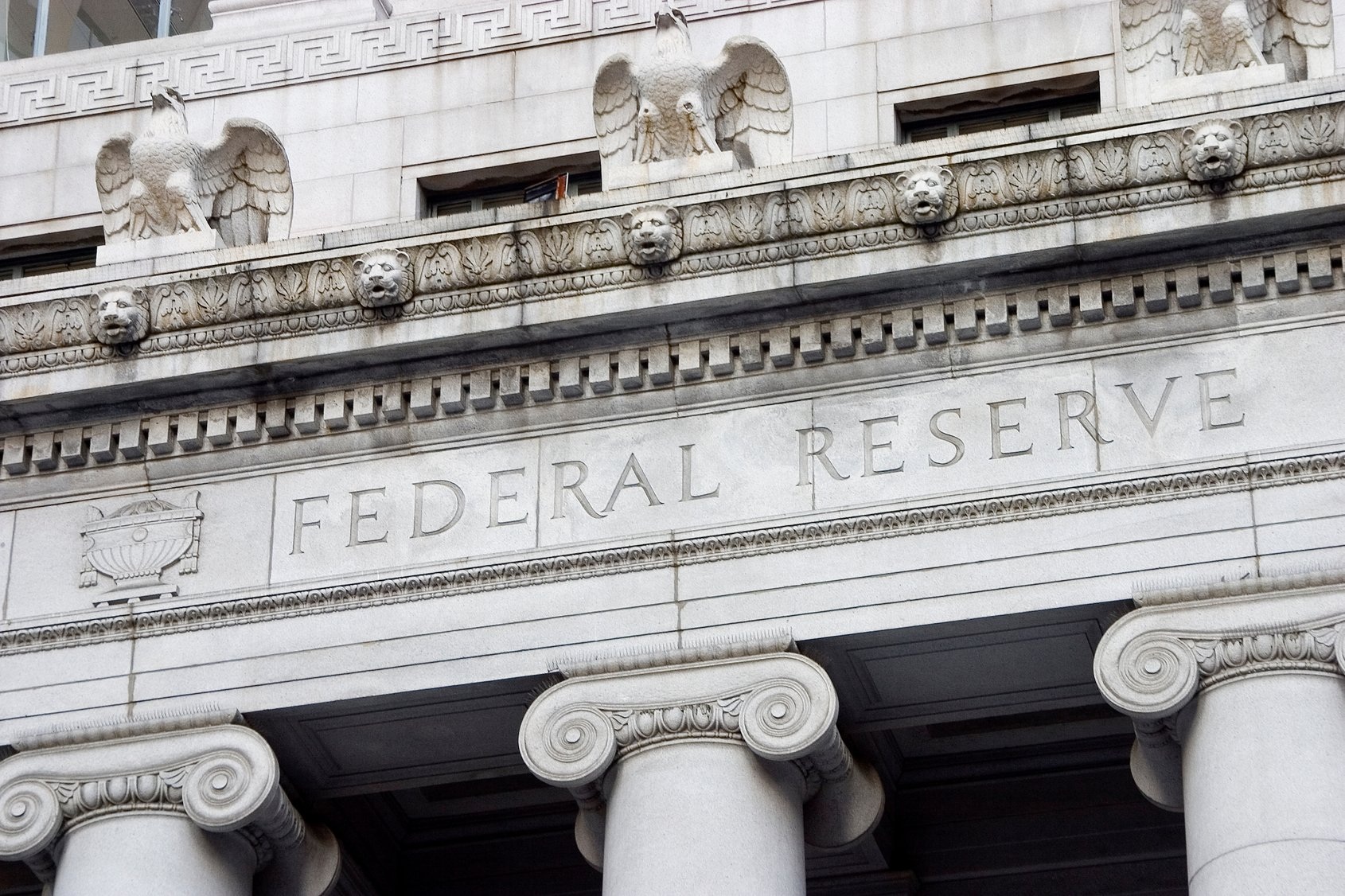
Central banks routinely intervene during periods of financial turmoil to provide liquidity and maintain market functioning. In crises such as the 2008 financial crisis and the 2020 COVID-19 pandemic, central banks, including the Federal Reserve and the Bank of England, significantly expanded their roles, directly intervening in corporate and government bond markets as “market makers of last resort.” These actions are often deemed essential to prevent a complete collapse of the financial system in the short term.
However, a growing concern is that these market backstops may, in the long run, encourage excessive risk-taking by market participants. The expectation that central banks will always step in during a crisis can foster “moral hazard,” leading financial institutions to take on more risk and leverage than they otherwise would. Investors’ perception of reduced risk due to central bank intervention can thus incentivize excessive borrowing.
A Wall Street Journal analysis highlights this trend, noting that hedge funds’ U.S. Treasury holdings surged from $600 billion a decade ago to $2.4 trillion by the end of 2025. These funds often employ leverage of up to 100 times to capitalize on small pricing discrepancies between government bonds and related futures or swaps. Huw Pill, Chief Economist at the Bank of England, cautioned that mechanisms designed to reduce financial vulnerability might inadvertently create new weaknesses in the system.
This debate raises fundamental questions about the central bank’s evolving role. The critical challenge is to design emergency facilities that restore market liquidity without becoming a permanent guarantee that rewards excessive risk-taking. Central banks face a dilemma: balancing the immediate need for stability with the long-term health and resilience of the financial system.
Markets are keenly watching how long central bank interventions can continue. If the perception strengthens that central banks will consistently backstop financial market risks, investors might pursue even more aggressive strategies. However, the sudden unwinding of highly leveraged positions, as seen in past market disruptions, could trigger sharp volatility and severe corrections in asset prices, including stocks, bonds, and currencies. The future direction of central bank policies will likely be a key factor in market uncertainty.

Ji-min Han
Economy