
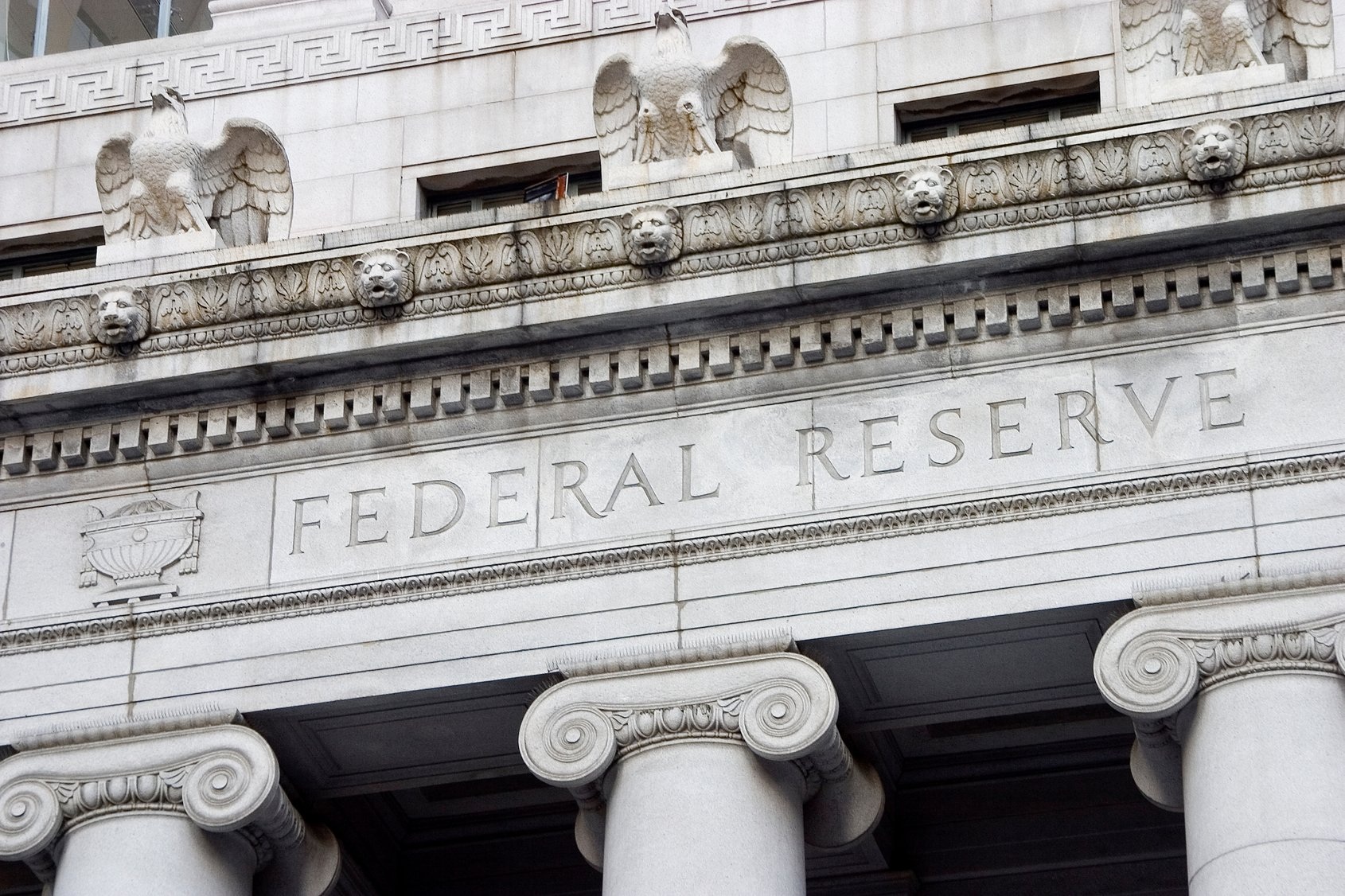
Many U.S. Federal Reserve (Fed) policymakers indicated that additional interest rate hikes would likely be necessary if inflation fails to decline, minutes from the central bank’s July meeting revealed. At the Federal Open Market Committee (FOMC) meeting held from July 28-29, officials voted 9-3 to keep the benchmark federal funds rate unchanged at a range of 3.50% to 3.75%. However, three dissenting policymakers—Cleveland Fed President Beth Hammack, Dallas Fed President Lorie Logan, and Minneapolis Fed President Neel Kashkari—advocated for a 0.25 percentage point rate increase.
The minutes highlighted significant uncertainty surrounding the inflation outlook, with risks leaning towards the upside. Policymakers specifically noted that the re-escalation of the conflict in the Middle East could complicate the inflation picture by prolonging supply chain disruptions and exerting upward pressure on prices. Concerns were also raised about broad-based price pressures, which extend beyond temporary factors like tariffs or energy costs. Many participants worried that several years of inflation above the Fed’s 2% target could begin to entrench inflation expectations, influencing wage and price-setting decisions across the economy. Causes of recent inflation include previous supply chain issues from the COVID-19 pandemic, energy shocks from the Russo-Ukraine war, and more recently, the Middle East conflict and heavy investment in artificial intelligence (AI) infrastructure.
Despite the hawkish tone in the minutes, recent inflation data shows mixed signals. The annual U.S. Consumer Price Index (CPI) for July slowed to 3.4%, down from 3.5% in June, aligning with market expectations. Core CPI, which excludes volatile food and energy prices, also eased to 2.5% in July, suggesting some moderation in underlying price pressures. However, the Fed’s preferred inflation gauge, the core Personal Consumption Expenditures (PCE) price index, is anticipated to remain elevated, with a projected 3.3% rise in July from a year ago.
This nuanced outlook from the Fed minutes implies potential volatility for financial markets. The prospect of further rate hikes could weigh on equity markets, particularly growth and technology stocks, while potentially pushing U.S. Treasury yields higher. However, the recent CPI report, which met expectations, has led many investors to anticipate the Fed will hold rates steady at its upcoming September FOMC meeting. The market is currently pricing in the possibility of one more rate hike by year-end, but a wait-and-see approach for incoming economic data is expected before any definitive moves from the central bank.

newsroom
Economy