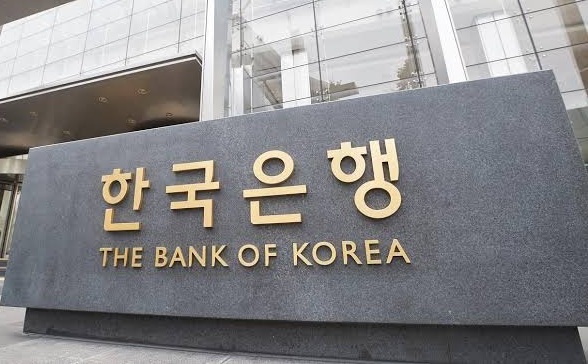
The deputy chief of the Bank of Korea (BoK) stated that monetary policy decisions would be approached ‘very carefully,’ considering various factors including the side effects of rate hikes. This suggests the central bank’s commitment to meticulously assessing the impact of interest rate adjustments amidst ongoing high inflation and increasing concerns over a slowdown in economic growth.
In November 2022, South Korea’s economy faced significant inflationary pressures, partly due to the fallout from the Russia-Ukraine war and rising global oil prices. Consumer price inflation remained elevated, registering 5.0% that month. The Bank of Korea, aiming to stabilize prices, had already raised its benchmark interest rate to 3.25%. However, projections indicated that domestic economic growth might weaken more than initially expected, influenced by the global economic downturn and the cumulative effect of higher interest rates.
The emphasis on caution stems from the potential adverse effects of aggressive monetary tightening. For instance, South Korea’s household debt stood at a high level, reaching 105.6% of its Gross Domestic Product (GDP) in the second quarter of 2022, meaning rising interest rates placed a considerable burden on households. This created a dilemma for the central bank, balancing the need to tame inflation with the imperative to avoid stifling economic activity. Market opinions were divided, with some advocating for continued rate hikes to curb inflation, while others called for moderation to prevent a deeper recession.
This cautious stance on monetary policy could introduce greater uncertainty into the foreign exchange and stock markets. The prospect of a slower pace in rate hikes might lead to increased volatility in the Korean won and affect bond yields. Investors are likely to closely monitor future statements and economic data for clearer signals on the central bank’s policy direction, potentially leading to a more reserved investment environment.

newsroom
Economy