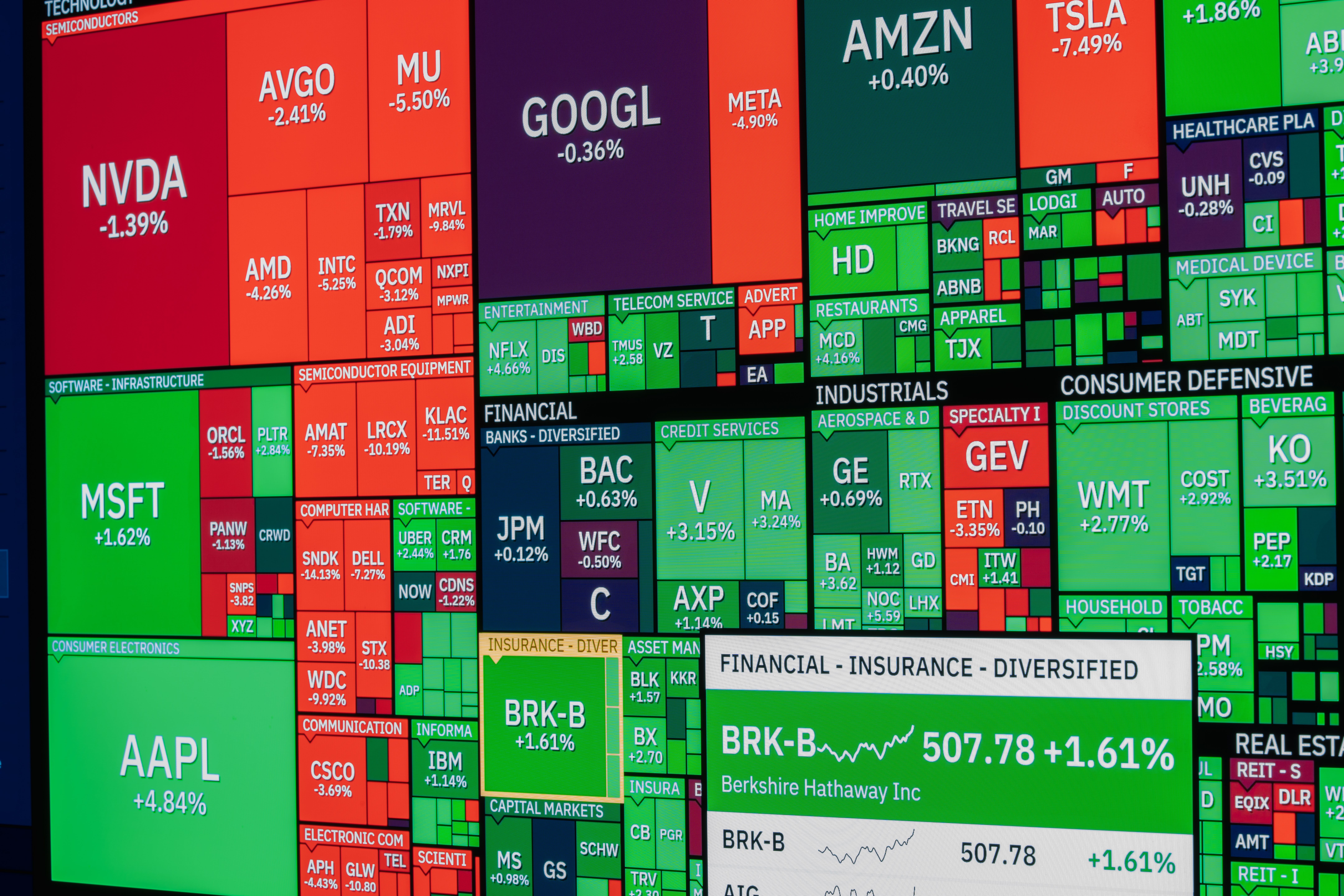

The Cboe (Chicago Board Options Exchange) Volatility Index, widely known as the VIX or the ‘fear gauge,’ is currently maintaining a low level. This index measures the market’s expectation of the S&P 500 Index’s volatility over the next 30 days, based on options prices. A VIX reading generally below 20 suggests market stability and investor confidence, while a reading above 30 indicates heightened volatility.
However, as summer transitions to fall, market observers are wary of a historical pattern: increased stock market volatility, particularly in September and October. This seasonal turbulence is often linked to the corporate earnings season, when investors re-evaluate portfolios and engage in profit-taking. Furthermore, uncertainties stemming from economic data, interest rate policy shifts, or geopolitical developments can converge during these months, exacerbating market swings.
There are differing views on the significance of the current low VIX. Some analysts suggest it reflects genuinely improving economic fundamentals and moderating inflation, leading to reduced market apprehension. Conversely, other experts caution that an inexpensive VIX could signal investor complacency, indicating that the market might be underestimating potential risks. They point out that low index volatility might mask significant, yet uncorrelated, movements among individual stocks.
For investors, this situation calls for a balanced and cautious approach. While the VIX does not predict market direction, the historical tendency for increased volatility in the fall necessitates preparedness. Rather than reacting emotionally to potential sharp market movements, maintaining a long-term investment perspective and embracing diversification strategies are crucial for risk management. While market volatility can present opportunities to acquire quality assets at lower prices, it also carries the risk of significant losses, underscoring the need for a comprehensive investment strategy.

newsroom
Global Markets