
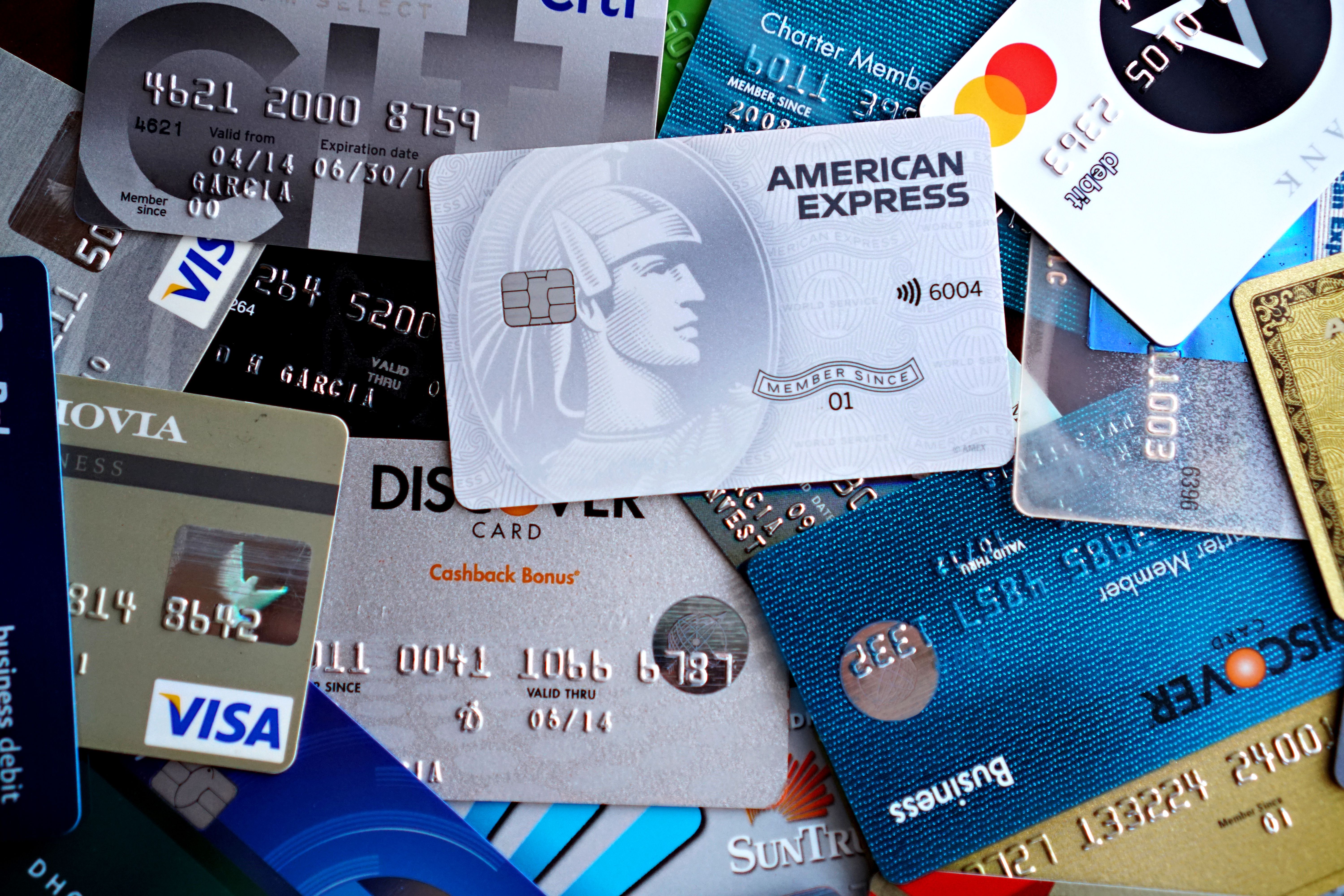
American consumers recently added $21 billion to their credit card balances, bringing the total outstanding debt to $1.26 trillion. This surge in debt is accompanied by high average interest rates, now exceeding 20% for existing accounts, which is significantly burdening household budgets across the United States. This trend is largely attributed to the persistent high inflation environment combined with the Federal Reserve’s (Fed) aggressive interest rate hikes.
The sustained period of elevated inflation has compelled many American households to rely more heavily on credit cards to cover essential expenses such as groceries, gas, and rent. Following pandemic-related supply chain disruptions, prices soared, and the Federal Reserve’s efforts to combat this inflation through a series of rate increases directly led to a sharp rise in credit card interest rates, exacerbating the debt burden. Furthermore, job losses or pay cuts during the COVID-19 pandemic also forced some individuals to depend on credit to maintain their financial stability.
This mounting high-interest credit card debt is significantly increasing monthly payment obligations, thereby squeezing household budgets. Many families are struggling to manage not only the principal but also the substantially higher interest charges. Notably, the rate of credit card debt over 90 days past due has continuously risen from 7.6% in the third quarter of 2022 to a recent 12.8%, indicating widespread difficulty in repayment. Economists express concern that this situation could lead to a broader pullback in consumer spending, potentially hindering overall economic growth.
Financial personalities like Dave Ramsey advocate for disciplined debt repayment plans as a way to escape credit card debt. However, some critics argue that such one-size-fits-all approaches may not be suitable or feasible for all families, particularly those facing deep financial hardship. Markets are closely monitoring whether this rise in household debt will translate into a significant slowdown in consumer spending. Given that consumer spending accounts for a substantial portion of U.S. Gross Domestic Product (GDP), a contraction could exert downward pressure on the economy as a whole, specifically impacting the performance of retail and consumer discretionary sectors. This trend is also likely to be a factor in the Federal Reserve’s future monetary policy decisions.

newsroom
Economy