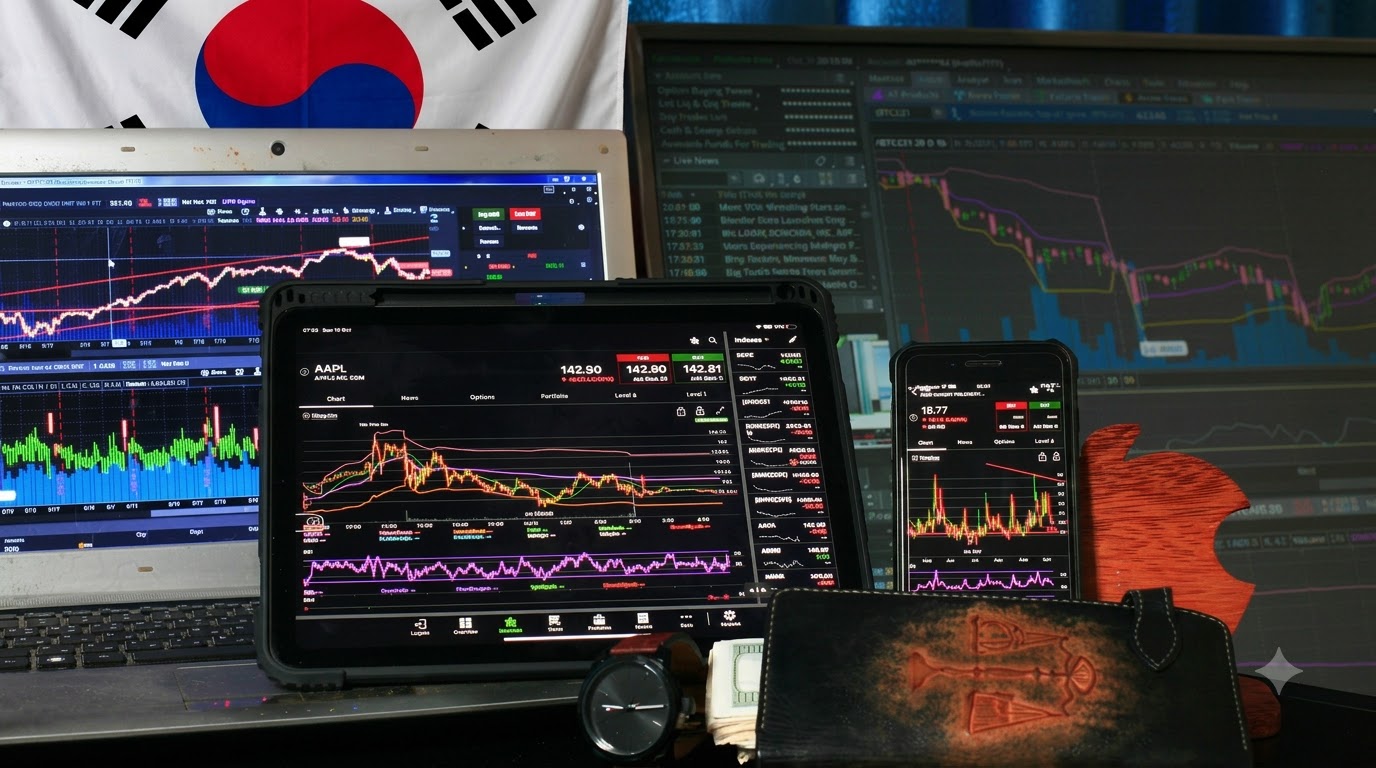
South Korea’s KOSPI index, the benchmark for local stocks, experienced significant volatility on August 18, 2026. After breaching the 7,200 mark and hitting an intraday high of 7,216.62, the index rapidly gave back all its gains, closing down 1.55% at 6,869.83. This sharp reversal ended a five-day winning streak for the market, indicating a strong move by investors to lock in profits.
The primary driver behind the market’s decline was substantial net selling by institutional investors, who offloaded KRW 785.4 billion worth of shares on the main KOSPI board. While individual and foreign investors were net buyers, purchasing KRW 731.7 billion and KRW 91.4 billion respectively, their buying power was insufficient to absorb the institutional sell-off.
Beyond profit-taking, growing geopolitical tensions in the Middle East significantly weighed on investor sentiment. The expiration of an armistice memorandum of understanding between the United States and Iran, coupled with former U.S. President Donald Trump’s demands for Iranian surrender and hints at potential strikes on Oman, fueled market anxiety. Further complicating the situation were strong statements from hardliners within Iran and an attack on a Saudi oil tanker by Yemen’s Houthi rebels, signaling an escalation of regional conflicts.
Additionally, rising global oil prices, with West Texas Intermediate (WTI) and Brent crude futures exceeding $85 and $90 per barrel, respectively, dampened risk appetite. These intertwined factors collectively offset the initial positive sentiment generated by strong semiconductor stocks, which had initially led the market higher. The market is expected to remain volatile as investors closely monitor developments in the Middle East and global energy markets.

newsroom
Domestic Equities