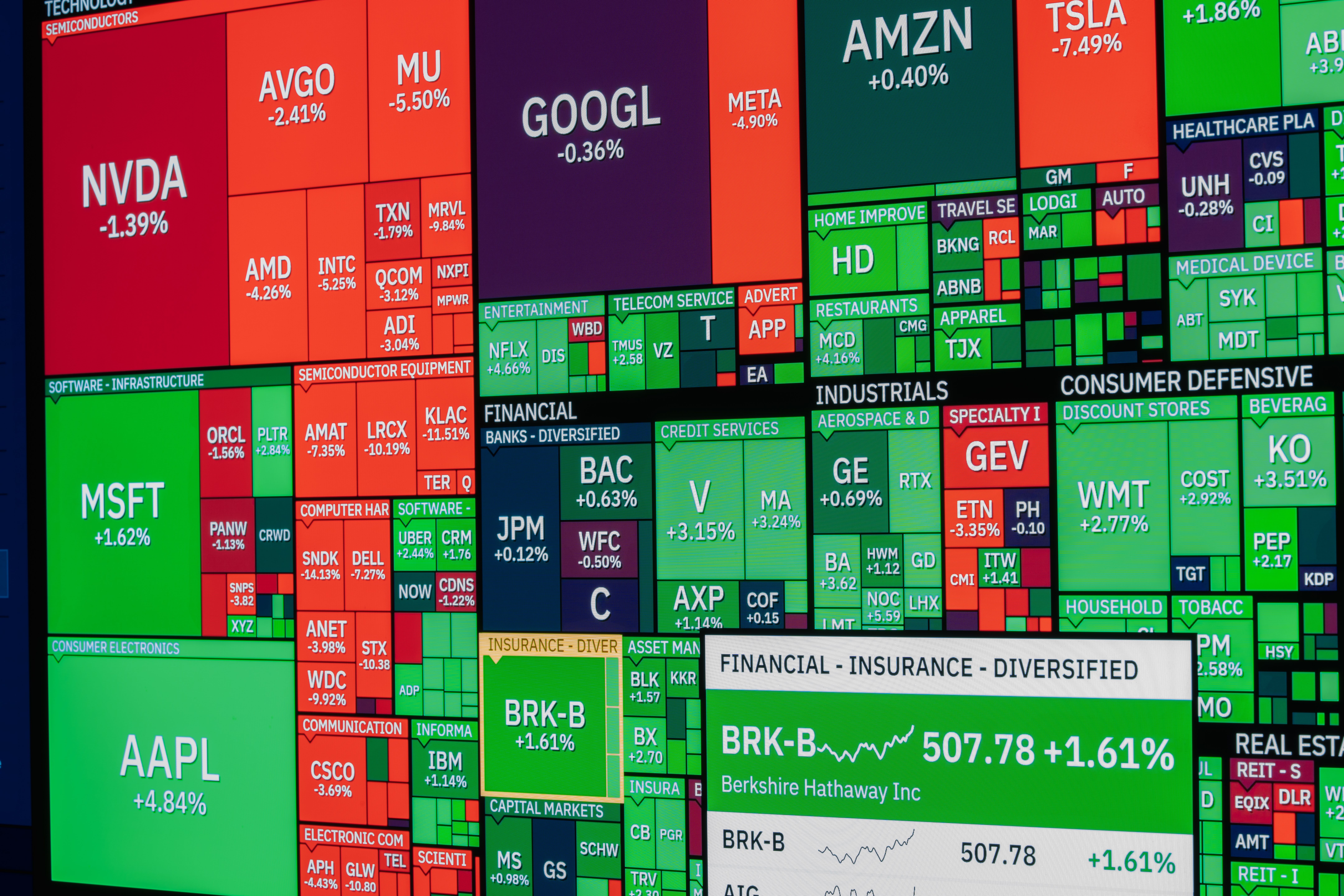

Social media giant Meta Platforms (Meta) is facing mounting legal and regulatory pressures concerning the mental health effects of its platforms on children and teenagers, a situation being likened to the ‘Big Tobacco’ lawsuits of the past. Thousands of lawsuits have been filed, alleging that Meta knowingly engineered addictive content and platforms, leading to severe mental health issues such as depression, anxiety, and suicidal thoughts among young users.
This climate of scrutiny has been fueled by whistleblower testimonies, academic research, and increased governmental oversight. Notably, attorneys general from numerous U.S. states, including California, Colorado, Kentucky, New Jersey, and New Mexico, are suing Meta. They claim the company violated child privacy and consumer protection laws by designing “psychologically manipulative” features to maximize engagement and by collecting data on children under 13 without parental consent. In a landmark decision this past March, a New Mexico jury found Meta liable for harming children’s mental health and breaching state consumer protection law, ordering the company to pay $375 million in civil penalties. This verdict is viewed as a precursor to a systemic legal shift within the tech industry.
The European Union has also accused Meta of violating its social media laws by designing addictive platforms and failing to prevent children under 13 from accessing its services. The EU demands Meta disable “key addictive features” like infinite scrolling and autoplay videos by default, threatening fines up to 6% of its global annual turnover, which was $201 billion in 2025. Meta, however, denies these allegations, stating that its platforms are intended for users aged 13 and older and that it has measures in place to detect and remove underage accounts.
Analysts suggest this challenging environment may present new opportunities for investors. Meta’s stock has seen a decline of approximately 16% this year due to concerns over legal and regulatory risks. Some investors might consider short-selling Meta shares or exploring investments in companies developing alternative, more responsible technologies for digital well-being, or those offering regulatory compliance solutions. However, a segment of experts maintains a ‘Moderate Buy’ rating on Meta’s stock, citing robust advertising revenue growth and ongoing investments in artificial intelligence (AI) as mitigating factors, indicating a divided market sentiment.
Meta’s escalating legal and regulatory risks are expected to exert downward pressure on its stock price in the near term. With a federal trial in California potentially exposing the company to damages as high as $1.4 trillion, investor sentiment has become cautious. This situation not only impacts Meta but could also serve as a warning to other tech companies with similar social media models, signaling increased regulatory scrutiny and potential legal repercussions across the broader technology sector.

Ji-min Han
Global Markets