
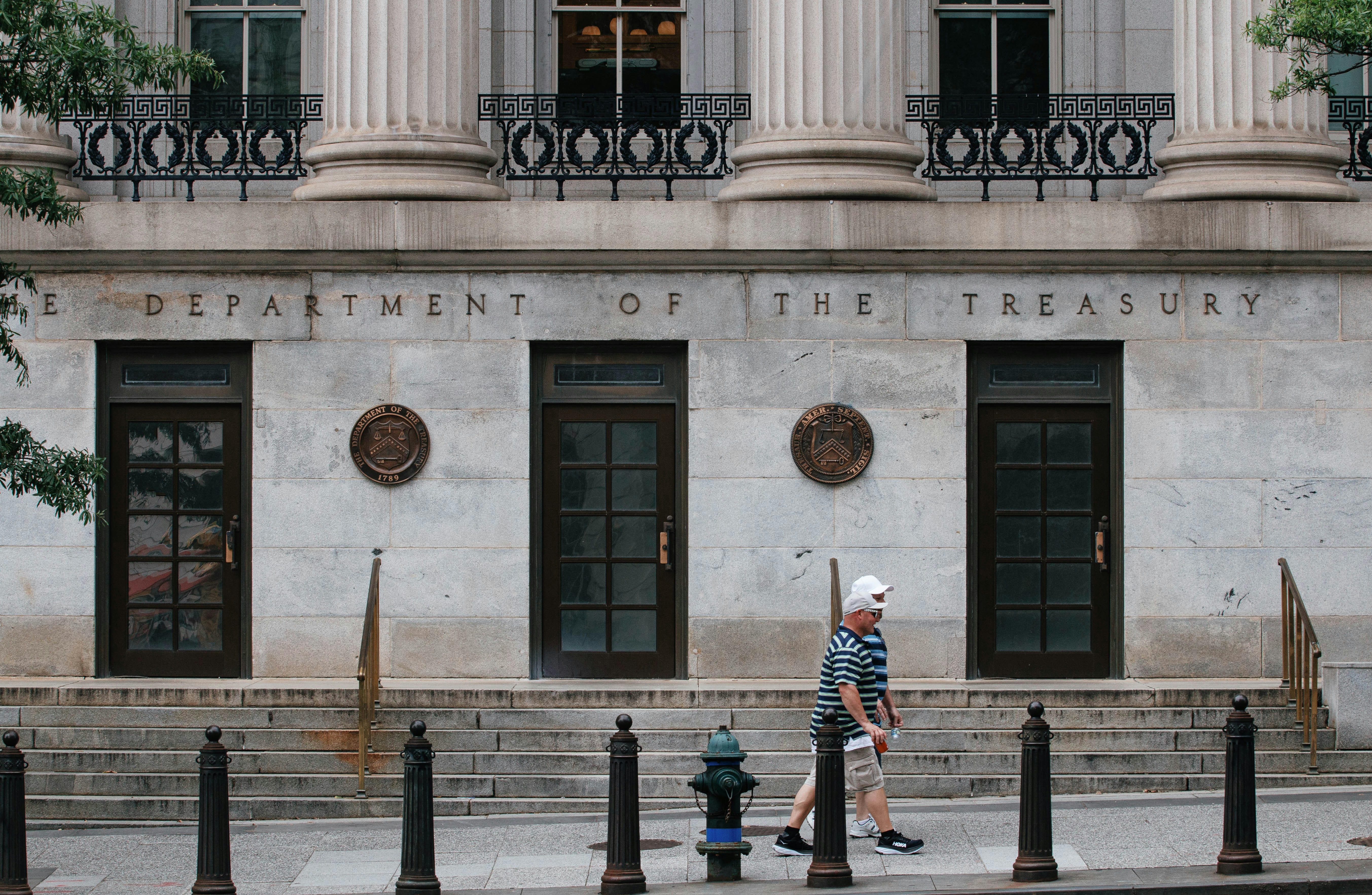
Global bond markets found stability Thursday after the U.S. Treasury announced measures to calm a recent surge in yields. This intervention, which saw the Treasury double its buyback program for long-term debt, helped soothe investor anxieties, leading to a weaker dollar and gains in stock markets.
The Treasury’s action came in response to a significant selloff in bond markets, which had been driven by growing concerns over government debt, substantial borrowing by artificial intelligence (AI) related tech companies, and elevated oil prices fueled by the ongoing war with Iran. This combination of factors pushed bond yields, including the 30-year Treasury yield, to their highest levels since 2007, signaling widespread investor unease.
To counteract the upward pressure on borrowing costs, the U.S. Treasury revealed it would more than double its buyback of long-dated bonds, committing to at least $4 billion in repurchases. Following the announcement, the 30-year Treasury yield dipped by 9 basis points to approximately 5.19%, while the benchmark 10-year yield fell by 5 basis points to around 4.65%.
While the Treasury’s intervention provided immediate relief, some analysts remain cautious, suggesting the support might be temporary and could even prompt institutional investors to increase selling. Critics also argue that this debt restructuring method, which involves increasing short-term bond issuance to buy back long-term bonds, could strain the short-term bond market or merely serve as a temporary fix without fully resolving long-term fiscal deficit concerns.
The Treasury’s actions temporarily reduced bond market volatility and improved investor sentiment, positively impacting stock prices. However, the depreciating dollar could affect U.S. exports or increase import costs. The market will closely watch how effectively this measure addresses underlying issues like long-term fiscal deficits and persistent inflation pressures.

newsroom
Bonds