
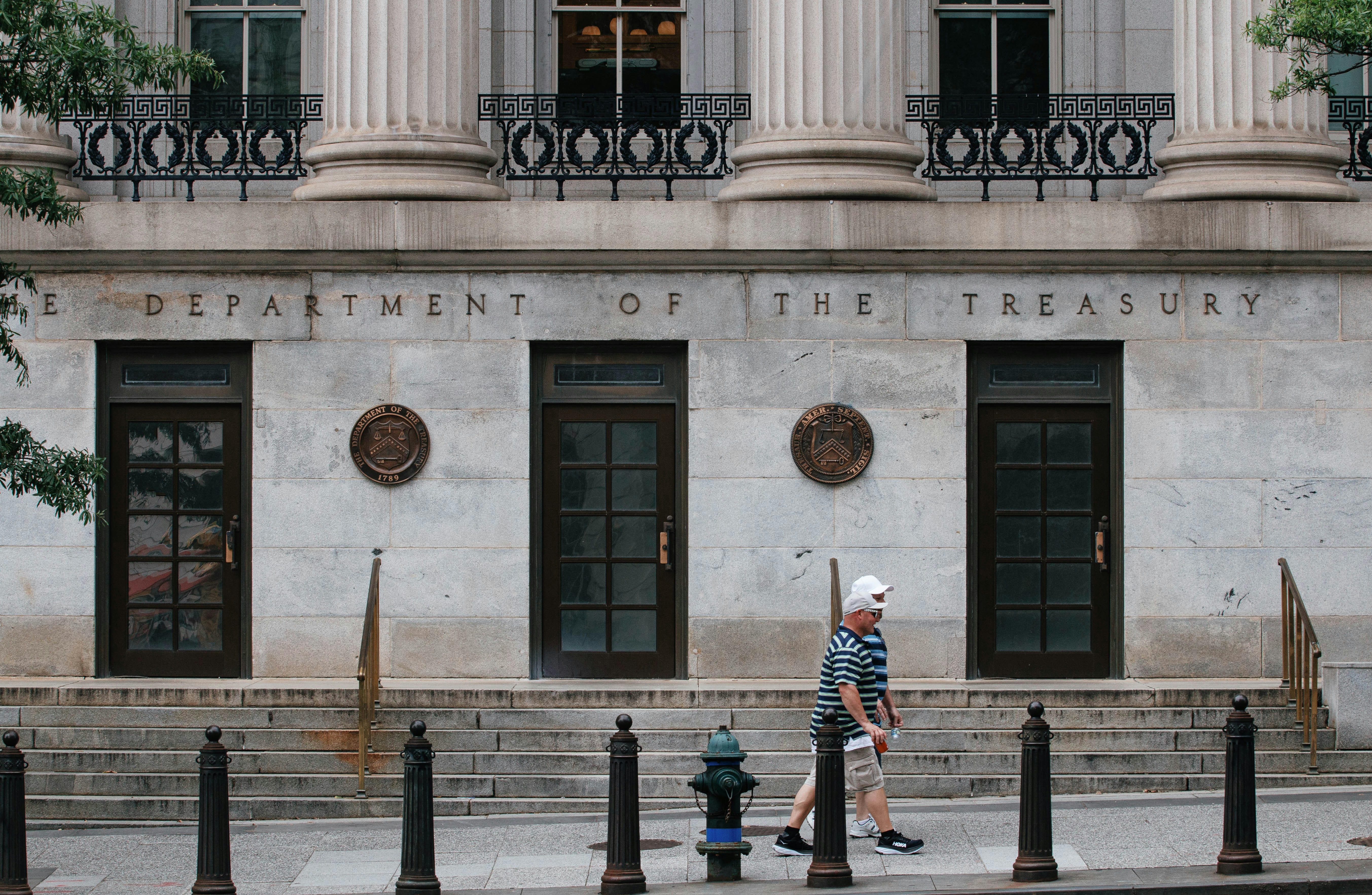
The U.S. Treasury has announced it will double the size of its bond buyback program to $4 billion per operation. This strategic move aims to bolster liquidity in the long-term Treasury market and efficiently manage the nation’s debt.
The decision comes amidst recent strains in the bond market, where long-term Treasury yields, including 10-year and 30-year maturities, have surged to their highest levels in two decades. By repurchasing older, less actively traded securities, often referred to as “off-the-run” bonds, the Treasury intends to reduce price distortions and support the overall functioning of the fixed-income market.
Effective September 9, each buyback operation will now have a maximum size of $4 billion, up from the previous cap of $2 billion. This increase signals the government’s readiness to act as a more significant buyer in the market, which can temporarily ease pressure on bond yields by creating additional demand for these securities.
Following the Treasury’s announcement, bond yields saw an immediate decline, and the U.S. dollar weakened, reflecting expectations of a narrower interest rate differential. However, some analysts remain skeptical, noting that while the action sends a positive signal of intervention, the $4 billion per operation is relatively small compared to the vast $32 trillion Treasury market. They suggest that while buybacks offer short-term relief and improve liquidity, they may not address underlying issues such as persistent inflation or large fiscal deficits, which could limit their lasting impact.

newsroom
Bonds