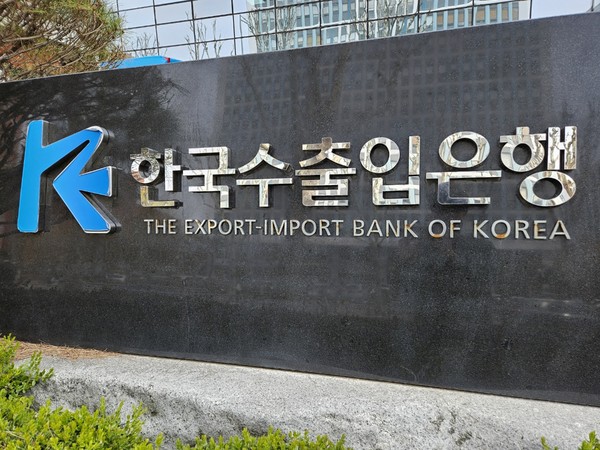
The Export-Import Bank of Korea (Korea Eximbank) has announced a significant financial support package totaling $1.2 billion for the Saudi Electricity Company (SEC). This substantial funding is designated to back Saudi Arabia’s large-scale projects aimed at expanding and modernizing its power infrastructure.
This commitment follows a South Korean government plan, established in May, to enhance financial cooperation with the Middle East. Saudi Arabia is pursuing its ambitious ‘Vision 2030’ plan, which seeks to diversify its economy away from oil, address growing electricity demand, and transition to cleaner energy sources, targeting 50% renewable energy for electricity generation by 2030.
Crucially, the allocated funds will be utilized for project orders and payments involving Korean companies in SEC-led initiatives. This is expected to significantly broaden opportunities for Korean enterprises, including small and medium-sized businesses, to participate in Saudi Arabia’s power sector and boost their exports. Korea Eximbank also plans to host a ‘Vendor Fair’ to directly connect procurement officials from the Saudi Electricity Company with Korean equipment suppliers.
Market observers generally interpret this substantial financial backing as a positive development for Korean construction and plant engineering firms, anticipating an increase in project orders from Saudi Arabia. However, some analysts express caution, emphasizing the need for meticulous risk management and strategies to ensure long-term profitability in Saudi power projects. This concern stems from the potential for unexpected financial burdens on Korean companies.
Such financial cooperation is expected to solidify Korea’s standing in the Middle Eastern market and could positively influence the stock prices of related Korean companies. While the immediate impact on the Korean Won-U.S. Dollar exchange rate is likely to be minimal, the long-term outlook suggests that increased Korean exports to the region could enhance dollar supply, potentially contributing to exchange rate stability.

newsroom
Industry & Companies