
Meta Platforms (META) is confronting a wave of lawsuits claiming its social media products are intentionally addictive and have negatively impacted the mental health of young users. The lawsuits specifically target the designs of Meta’s prominent platforms, Facebook and Instagram. A pivotal trial related to these claims has commenced in a California federal court.
Thirty-three U.S. states and the District of Columbia have jointly filed federal and state lawsuits against Meta. These states assert that Meta knowingly developed platforms contributing to anxiety, depression, insomnia, and eating disorders among youth, violating federal children’s online privacy laws and state consumer protection laws. The legal claims suggest Meta’s potential liability could range from billions to an estimated $1.4 trillion. However, Meta argues that direct scientific causation between social media use and worsening youth mental health has not been established. The company has also stated its commitment to platform safety and provides tools for parents and teens to manage their online experience.
These legal challenges underscore growing societal concerns regarding the influence of social media on users, particularly adolescents. Critics argue that Meta prioritized engagement and profit, deliberately enhancing addictive features like infinite scrolling, autoplay, and notifications. Conversely, Meta emphasizes the positive aspects of connectivity offered by its platforms and points to ongoing investments in safety measures. Notably, a New Mexico court previously ordered Meta to pay $567 million in a related case.
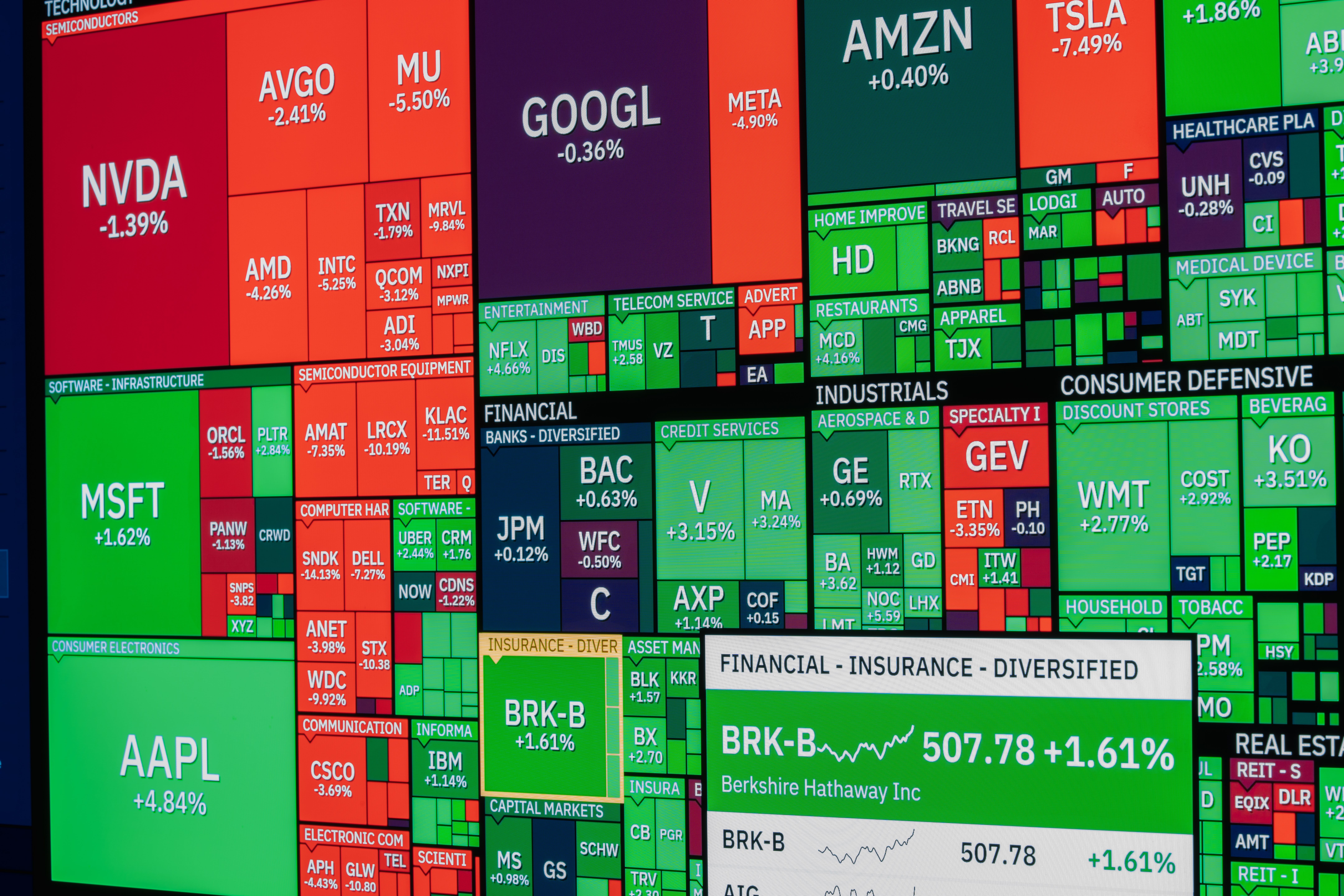
The ongoing litigation is expected to significantly impact Meta’s stock performance. The potential for substantial legal costs could strain the company’s financials, deterring investor confidence. However, some market analysts believe that much of this lawsuit risk has already been priced into Meta’s stock, suggesting potential for limited short-term volatility. The market will closely monitor the trial’s progress and ultimate rulings, anticipating increased volatility in Meta’s share price, with other social media companies also potentially facing similar regulatory scrutiny.

newsroom
Global Markets