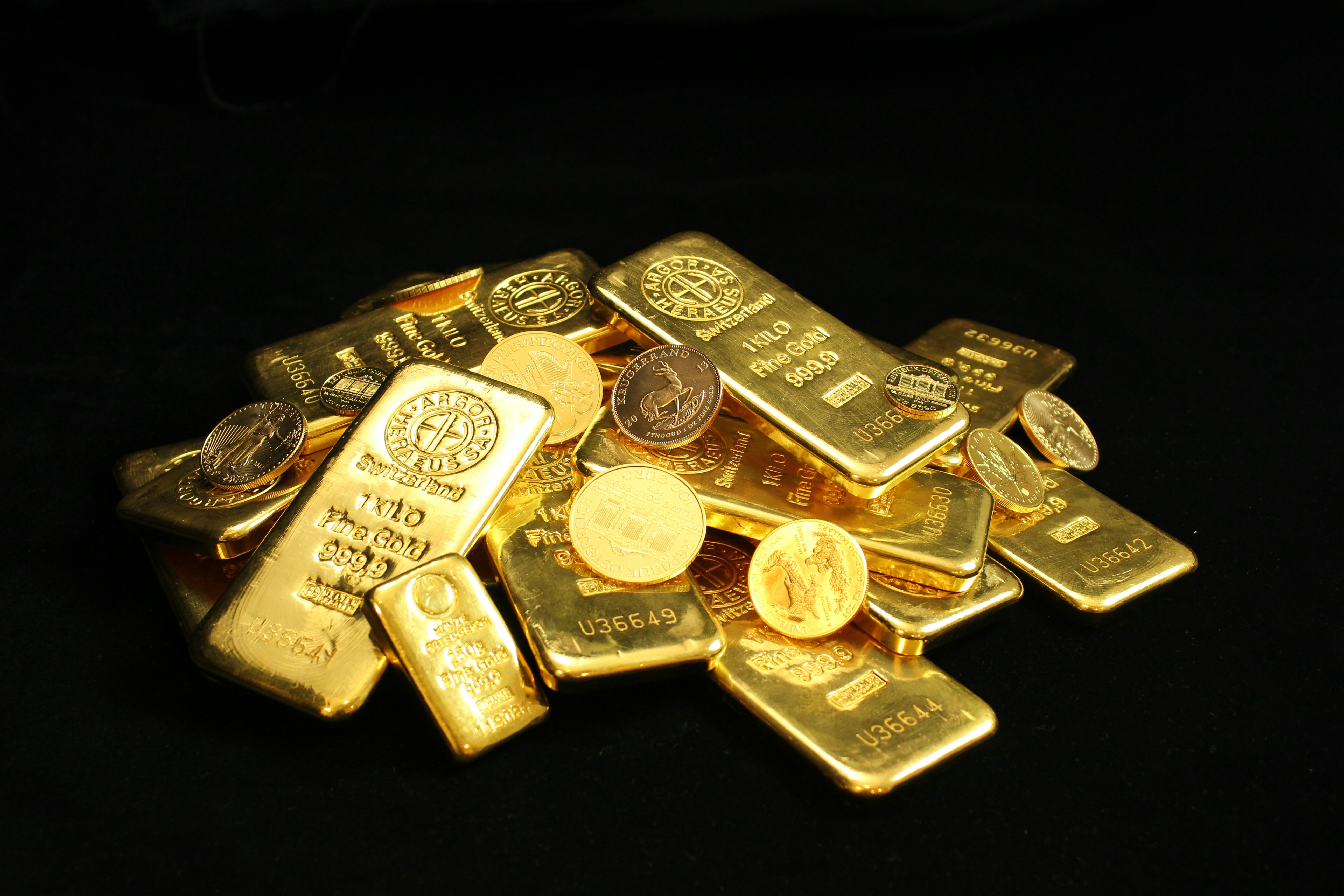

UBS, the Swiss investment bank, has upgraded its gold price forecast, anticipating the precious metal could hit $5,400 per ounce by September 2027. This optimistic outlook comes as gold currently trades around $4,390 per ounce, reflecting a robust rally in recent times. The bank maintains its year-end 2026 gold target at $4,600 per ounce.
Several macroeconomic factors underpin UBS’s bullish projection for gold. The firm expects a broad weakening of the U.S. dollar and a decline in real interest rates, which typically lowers the opportunity cost of holding non-yielding gold. Furthermore, UBS strategists believe the U.S. Federal Reserve (Fed) will face less pressure to raise interest rates, given recent softer economic data, including easing inflationary pressures and a cooling labor market. This environment is expected to pave the way for a less restrictive U.S. monetary policy stance in 2027, favoring gold.
Sustained investment demand also remains a crucial driver for gold’s upward trajectory. Central banks globally continue to be significant buyers; the World Gold Council reported net purchases of 51 metric tons in June, with the People’s Bank of China adding 20 metric tons in July. Additionally, gold exchange-traded fund (ETF) inflows have resumed, notably in China and Europe. This consistent demand acts as a structural floor for gold prices, supporting its resilience in the market.
However, the path for gold’s rally is not without its challenges. UBS cautions that near-term price action could remain volatile. A primary risk to the bullish view is the possibility of additional Fed rate hikes later this year. Such a move could push real yields higher, strengthen the dollar, and consequently dampen gold demand, potentially sending prices down to $3,850 per ounce. Market participants are closely monitoring the Fed’s monetary policy decisions and incoming economic data for clearer signals.
The anticipated gold rally could have broader implications for the financial markets. Expectations of a less aggressive Fed and a weaker dollar could shift the relative attractiveness of other asset classes like equities and bonds. Gold, as a traditional safe-haven asset and inflation hedge, may see increased allocation as investors seek portfolio diversification. Conversely, if the risk of higher interest rates or a stronger dollar persists, gold’s upward momentum could face significant headwinds.

newsroom
Commodities