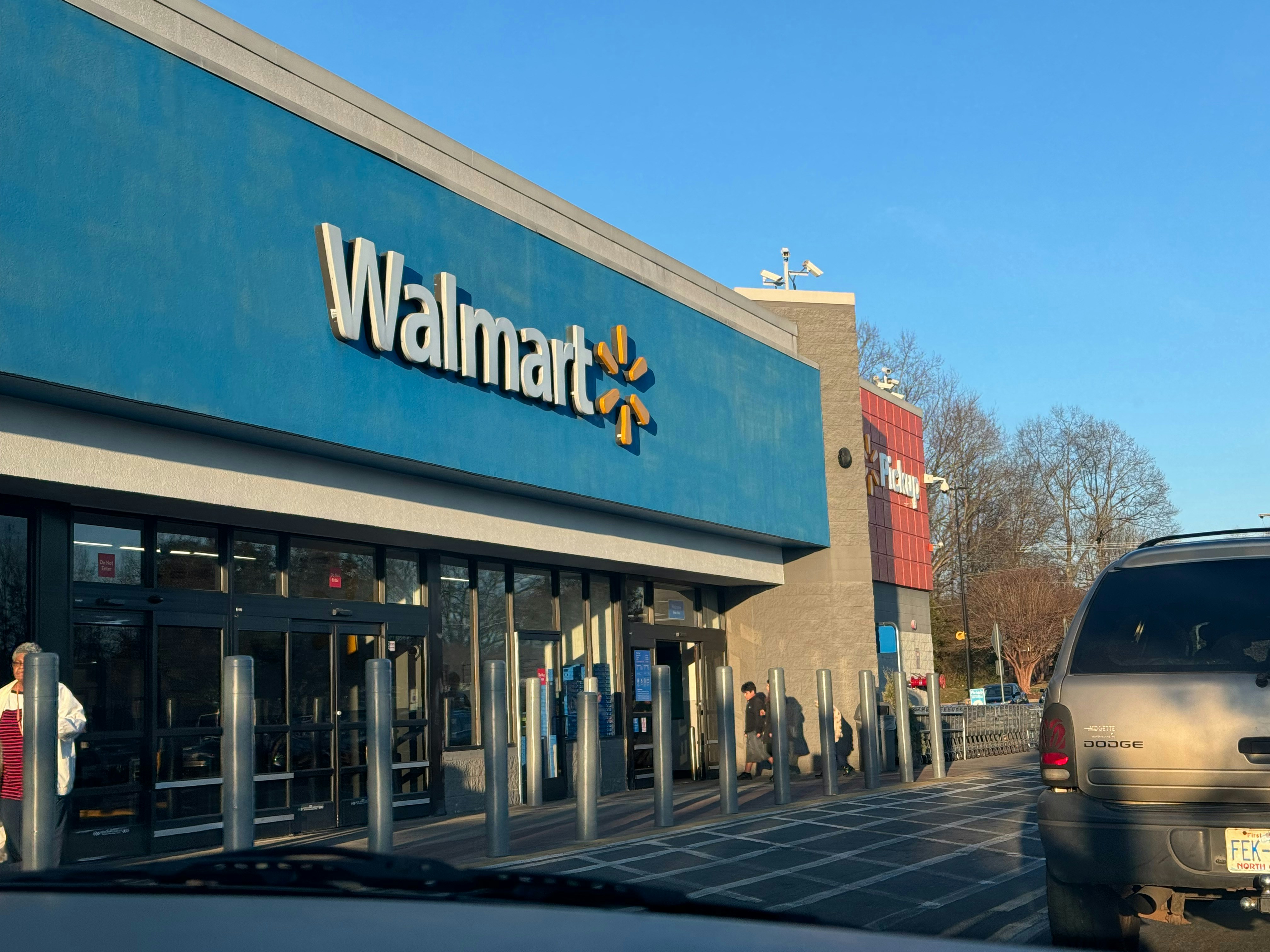
Walmart Inc., the world’s largest retailer, saw its stock plunge following an announcement of decelerating sales growth. The dip highlights how persistently high fuel costs are pressuring consumers to cut back on discretionary spending. Walmart shares fell by approximately 9% on Thursday, reflecting investor concern over the company’s performance and broader economic trends.
In its latest quarterly report, Walmart disclosed that U.S. comparable store sales grew by 2.6%, significantly below analysts’ expectations of a 3.8% rise. This marks the slowest growth rate in over six years for the retail giant. The company noted that elevated fuel prices and general inflation are compelling shoppers to prioritize essential goods like groceries, while pulling back on non-essential purchases such as apparel and electronics. Customer traffic growth also slowed considerably.
The impact of high fuel costs extends beyond consumer behavior, directly affecting Walmart’s operational expenses. The company anticipates an additional $2 billion in fuel costs for its trucking fleet this year, putting further pressure on its profitability. Historically, Walmart has often been considered a defensive stock during economic downturns, as consumers seek value. However, these latest results suggest that even value-conscious shoppers are tightening their belts, indicating a more widespread slowdown in consumer sentiment.
Despite these challenges, there were some brighter spots. Walmart reported a strong 24% surge in e-commerce sales and robust growth in its Walmart Connect advertising business. Furthermore, the company modestly raised its full-year guidance for sales and adjusted operating income. Yet, investors appeared more focused on what the report revealed about the state of the consumer rather than these positive internal metrics, signaling deep worries about the economic outlook.
Walmart’s earnings serve as a significant indicator for the broader retail sector and overall consumer spending. The stock’s sharp decline suggests investors are concerned that slowing consumer demand due to high fuel prices and inflation could negatively impact other retailers. This situation is likely to fuel anxieties about a potential wider economic deceleration, especially if inflationary pressures and high energy costs persist, further eroding purchasing power.

newsroom
Industry & Companies