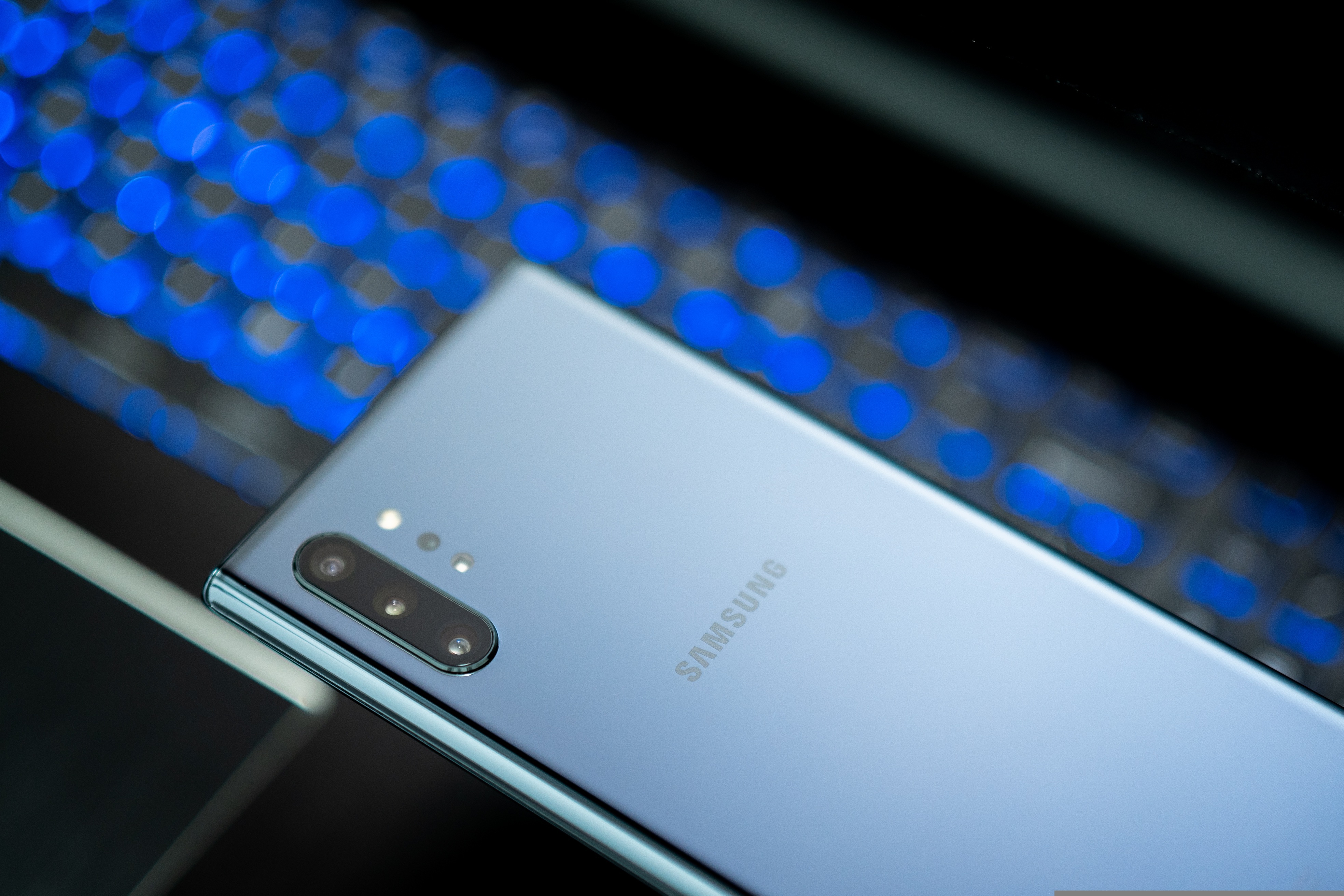
Samsung Electronics has announced its largest-ever shareholder return plan, significantly surpassing a similar move by rival SK Hynix. This aggressive push to return capital to investors comes as both South Korean memory chip giants accumulate substantial cash due to surging demand for semiconductors, particularly those used in artificial intelligence (AI) applications.
Samsung’s board approved a shareholder return plan for 2026 estimated to range between 90 trillion and 110 trillion Korean won, approximately $65 billion to $80 billion. This commitment is five times larger than Samsung’s previous record set in 2020 and represents the biggest shareholder return pledge by any South Korean company. The plan includes a cash dividend of around 30 trillion won, or about $21.6 billion, to be distributed in the third quarter. Additionally, the company approved a separate 15 trillion won, or $11 billion, share buyback for employee compensation. Samsung maintains its policy of allocating 50% of its free cash flow over the 2024-2026 period to shareholder returns, which is now expected to reach up to 140 trillion won, or $101 billion.
Share buybacks are a mechanism where a company repurchases its own outstanding shares from the market, reducing the total number of shares available. This typically increases the earnings per share (EPS) and makes each remaining share more valuable, as current shareholders own a larger percentage of the company. Companies often engage in buybacks when they believe their stock is undervalued or to signal confidence in future business performance. This move by Samsung follows SK Hynix’s recent announcement of a 40 trillion won, or approximately $29 billion, share buyback and cancellation program. SK Hynix’s decision was partly aimed at stabilizing its shares after a significant drop and addressing concerns about dilution following its U.S. listing.
The market generally reacts positively to large shareholder return announcements, as they often lead to an increase in stock price. Samsung’s shares saw a positive movement following the news, reflecting investor optimism. However, some analysts express caution, suggesting that while buybacks can boost short-term stock prices, they might divert funds that could otherwise be used for long-term investments in research, development, or capital expenditures. This raises questions about the balance between immediate shareholder gratification and sustained future growth.
Samsung’s unprecedented shareholder return initiative underscores its robust financial health, driven by the booming AI memory market. This is expected to provide upward support for Samsung’s stock price and could influence broader market expectations for corporate shareholder returns in South Korea. Nevertheless, investors will closely monitor how this substantial capital return impacts Samsung’s ability to fund crucial future innovations and maintain its competitive edge in the rapidly evolving technology landscape.

newsroom
Industry & Companies