
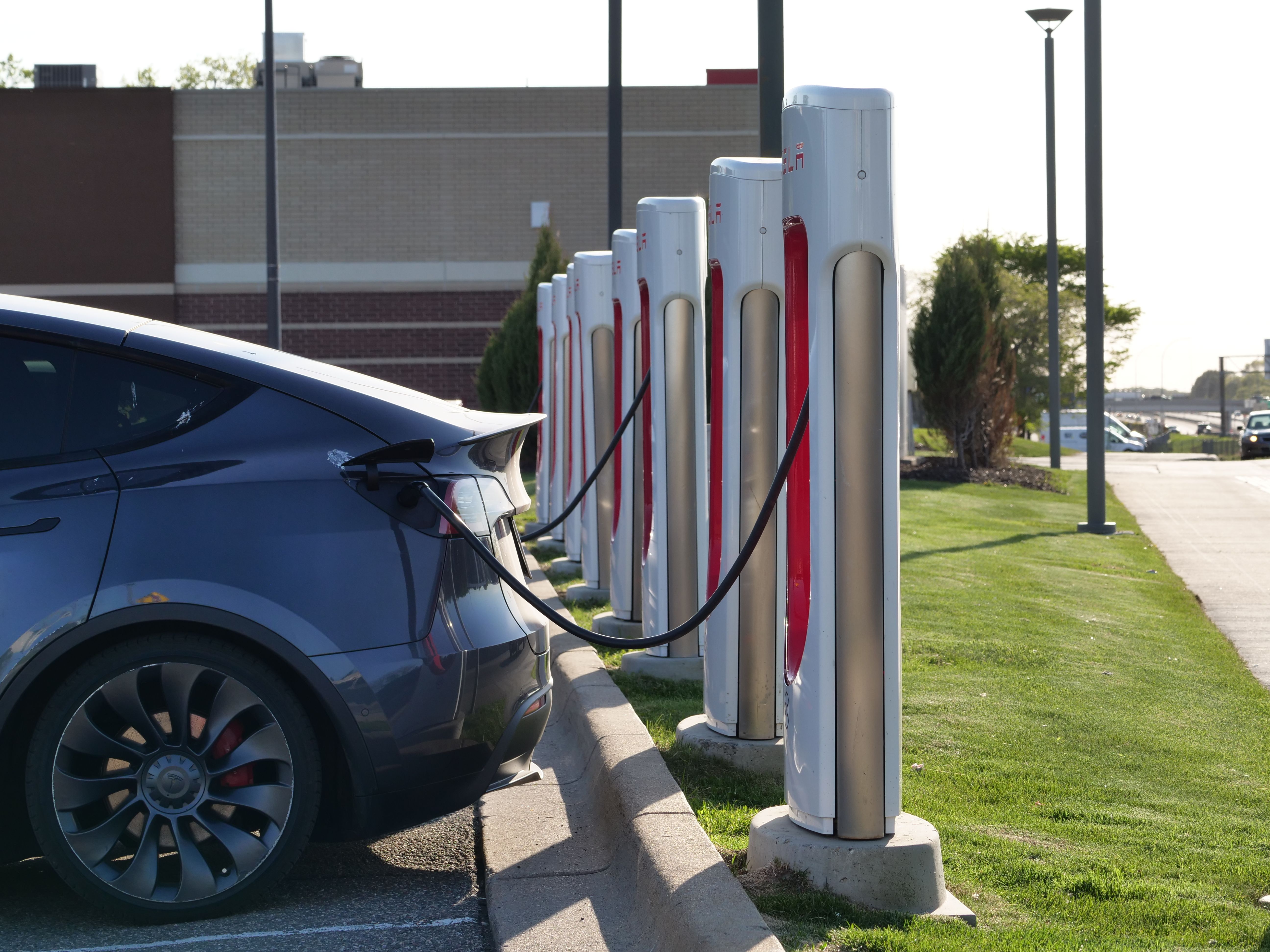
A new report from energy consulting firm Wood Mackenzie suggests a trio of economic forces could significantly boost global electric vehicle (EV) production, with profound implications for oil, power, and metal markets. The firm highlighted oil supply shocks, persistent high fuel prices, and rapid technological innovation as the main catalysts for this accelerated growth.
The first force, oil supply shocks stemming from conflicts in petroleum-producing countries like Russia and Iran, is compelling governments to accelerate investments in EV supply chains to enhance energy resilience. Secondly, consistently high fuel prices are increasingly incentivizing consumers to switch to more cost-effective electric alternatives. Lastly, swift technological advancements, particularly in battery technology spearheaded by China, are making EVs more attractive. China, for instance, has made significant strides in areas such as 5-minute fast charging, sodium-ion, and lithium iron phosphate (LFP) batteries.
These converging forces could dramatically accelerate EV adoption beyond current projections. Wood Mackenzie’s report anticipates that EVs, currently accounting for about 4% of the global vehicle fleet, could reach 25% by 2040. Under its “electric shock scenario,” global oil demand is projected to fall to 99 million barrels per day (mb/d) by 2040, a reduction of 5 mb/d compared to the base case forecast. This significant drop in demand could lead to the early closure of approximately 40 oil refineries worldwide, according to the report.
However, this accelerated transition presents its own set of challenges. The report warns of potential bottlenecks in critical mineral supply, with copper identified as a significant constraint that would require an additional $45 billion investment in greenfield metals supply over the next decade. Moreover, the U.S. automotive sector faces the risk of losing its domestic market to international competitors if it fails to develop advanced battery technologies and competitive supply chains. These concerns underscore the need for substantial investments in infrastructure and raw materials to support a rapidly expanding EV ecosystem.
The implications for financial markets are substantial. A faster shift to EVs could exert downward pressure on oil prices due to diminished demand, while simultaneously driving up prices for critical battery minerals like copper. Conversely, this outlook could boost the valuations of EV manufacturers and related technology firms. Investors, however, should remain mindful of the supply chain challenges and the significant capital investment required for mineral extraction and processing, which could introduce volatility to these sectors.

newsroom
Industry & Companies