
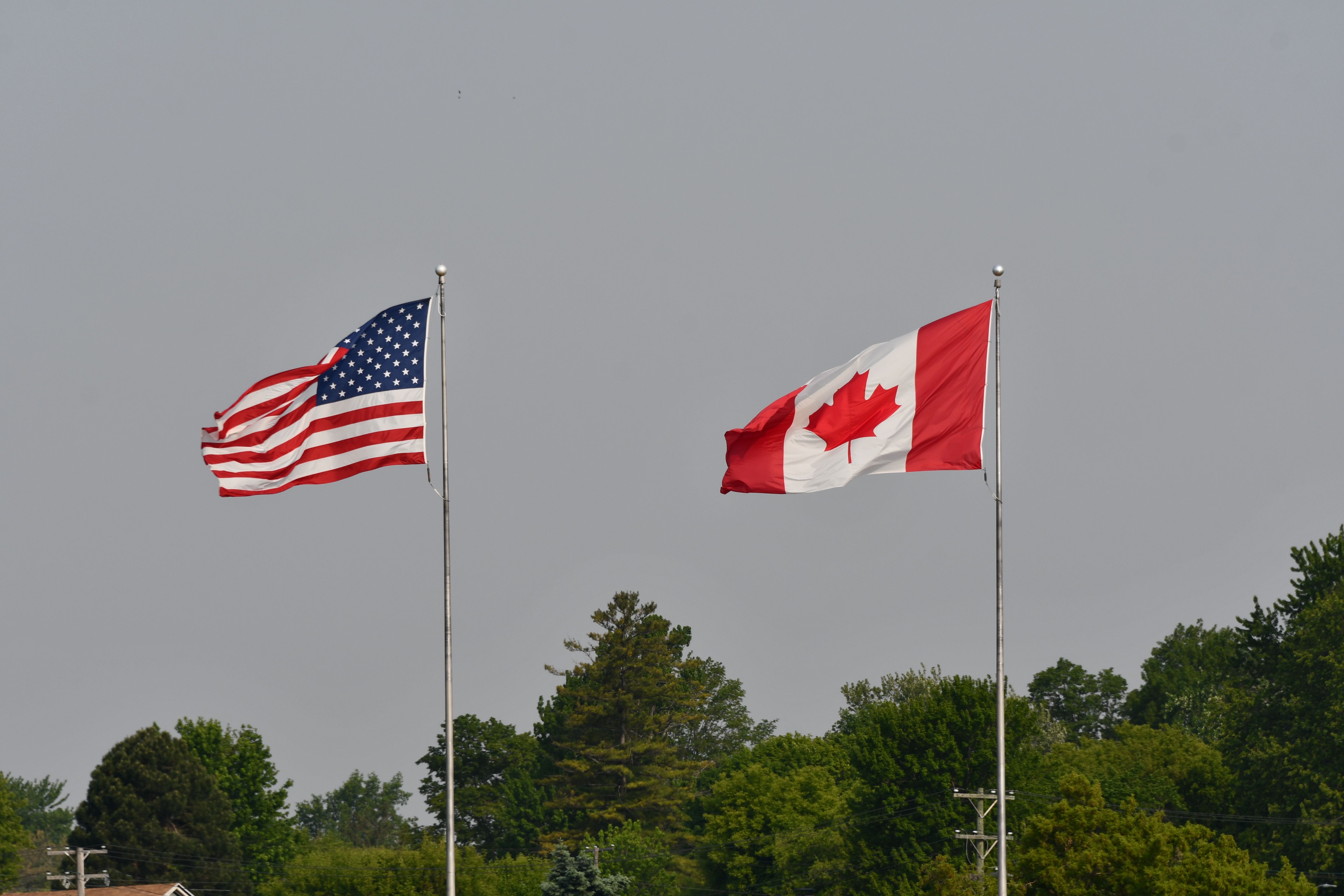
New 50% tariffs imposed by the United States on certain Canadian products have officially taken effect, following the collapse of eleventh-hour trade negotiations between the two neighboring countries.
The duties apply to hundreds of Canadian items, including plywood, alcoholic beverages, electrical equipment, and hockey gear, totaling approximately $20 billion worth of goods. U.S. Trade Representative Jamieson Greer stated that the talks failed because Canada introduced new demands and reversed earlier commitments. Conversely, Canadian Prime Minister Mark Carney accused Washington of making “unfair, uneconomic” last-minute changes that cast doubt on the reliability of any potential deal.
Prime Minister Carney announced Canada would implement “dollar for dollar” retaliatory measures and suspended trade negotiations, emphasizing that Canada would not accept a “deal at any price.” This breakdown escalates trade tensions between the two nations, which exchanged nearly $900 billion in goods and services last year.
The imposition of these tariffs is expected to heighten trade friction and potentially complicate broader discussions concerning the renewal of the U.S.-Mexico-Canada Agreement (USMCA). While some analysts suggest the immediate economic impact on Canada may be limited, affecting just over 5% of its exports to the U.S., the broader concern remains over the escalating protectionist measures and their implications for global trade and investor confidence.

newsroom
World