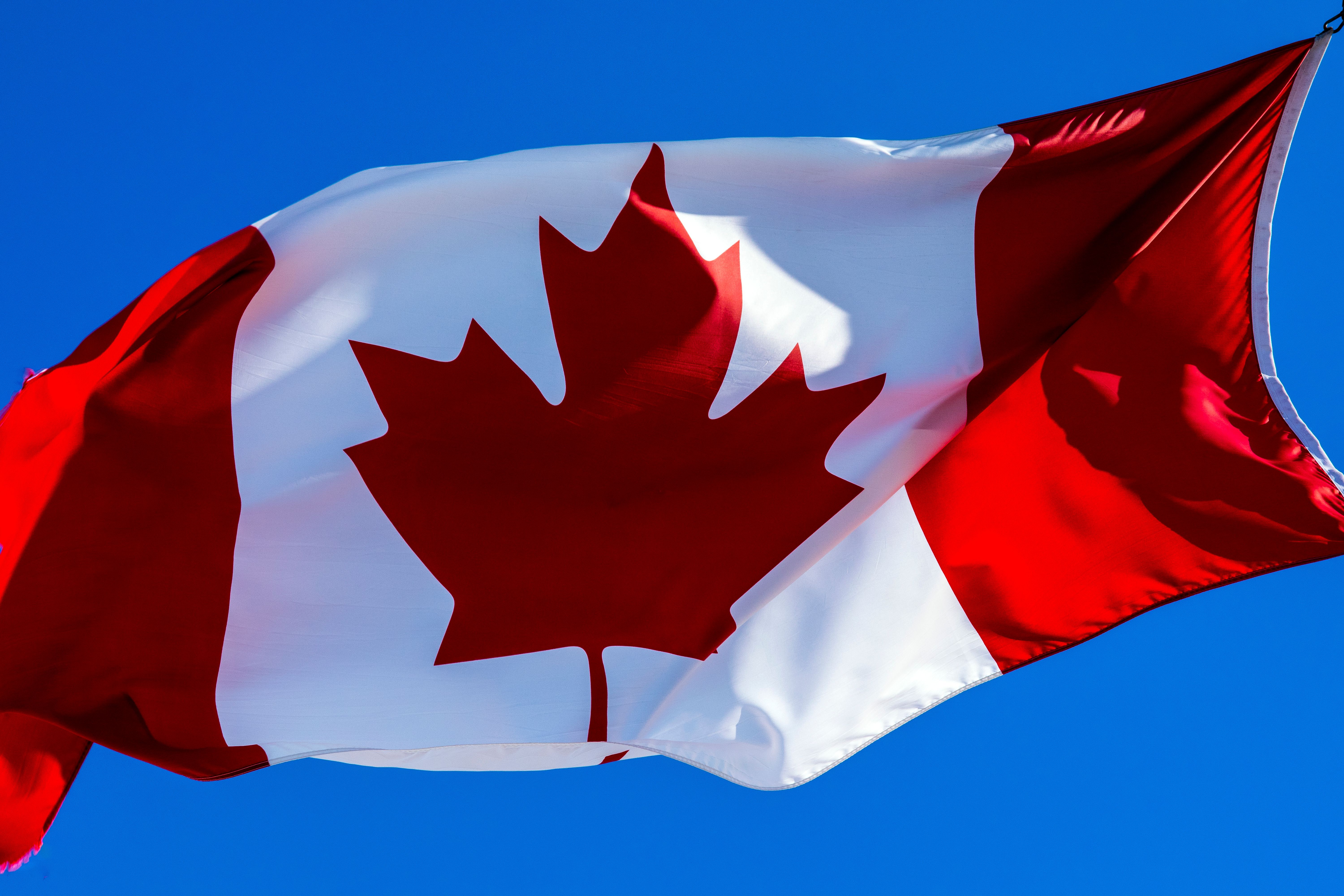

A full-scale trade war between the United States and Canada has begun after the collapse of bilateral trade negotiations, triggering a downturn in major U.S. stock index futures. Investors are growing increasingly concerned as the administration of U.S. President Donald Trump proceeded with significant tariffs on Canadian products, heightening tensions between the long-standing allies.
At the core of the dispute is the U.S. imposition of 50% tariffs on approximately $20 billion worth of Canadian goods. The U.S. cited Canada’s “discriminatory treatment” of American businesses, specifically pointing to bans on U.S. alcohol sales in some Canadian provinces and long-standing tariffs on agricultural products like dairy. Canadian Prime Minister Mark Carney described the move as an “attack” and immediately vowed retaliation. Canada plans to implement “dollar-for-dollar” tariffs on U.S. steel, dairy, paper, and electronics, among other goods, starting September 8.
The escalating trade tensions threaten to disrupt North American economic integration and supply chains. Given that total bilateral trade between the two nations amounted to roughly US$916 billion in 2023, this trade war is expected to impact a wide range of industries beyond just the directly targeted goods. Goldman Sachs, for instance, estimates that these tariffs could reduce S&P 500 earnings per share (EPS) by 2-3%.
Markets are closely monitoring the potential for a prolonged trade conflict. Last week, the S&P 500 index fell 1.4%, and Dow Jones Industrial Average futures were down about 0.1%. This market reaction reflects concerns over rising corporate costs and potential weakening consumer demand due to the tariffs. As Canada is highly dependent on access to the U.S. market, a protracted dispute could negatively impact its Gross Domestic Product (GDP) and business confidence, potentially leading to a weakening Canadian dollar.
Some experts suggest that the Trump administration’s aggressive approach to trade negotiations has reached its limits, warning that escalating trade friction could eventually lead to higher consumer prices. Concerns and skepticism have also been voiced by figures such as former Vice President Mike Pence, who stated a trade war is the “last thing we need” during an economic recovery, urging for negotiation rather than confrontation. Lawmakers from U.S. border states have also criticized the tariffs, highlighting their potential to increase costs for businesses and families.

newsroom
World