Hui Ka Yan (쉬자인), the former chairman and founder of China Evergrande Group, has been sentenced to life imprisonment by a Chinese court. This landmark decision highlights Beijing’s firm stance against financial misconduct within the real estate sector, treating the company’s collapse not merely as a commercial failure but a serious criminal matter. Despite this decisive legal action, China’s broader property crisis shows little sign of abating, continuing to weigh heavily on the nation’s economy.
Hui was convicted on multiple charges, including illegally absorbing public deposits, fundraising fraud, and bribery. The court also levied significant fines, with Evergrande Group ordered to pay 8.82 billion yuan (approximately $1.31 billion USD) and its core unit, Evergrande Real Estate Group, an additional 7 billion yuan (approximately $1.04 billion USD), totaling about $2.35 billion USD. The roots of this crisis trace back to 2020, when Chinese authorities implemented stringent policies, known as the “three red lines,” to curb excessive borrowing by property developers. This regulatory crackdown led to Evergrande’s default on over $300 billion in liabilities in 2021, followed by a liquidation order from a Hong Kong court in 2024.
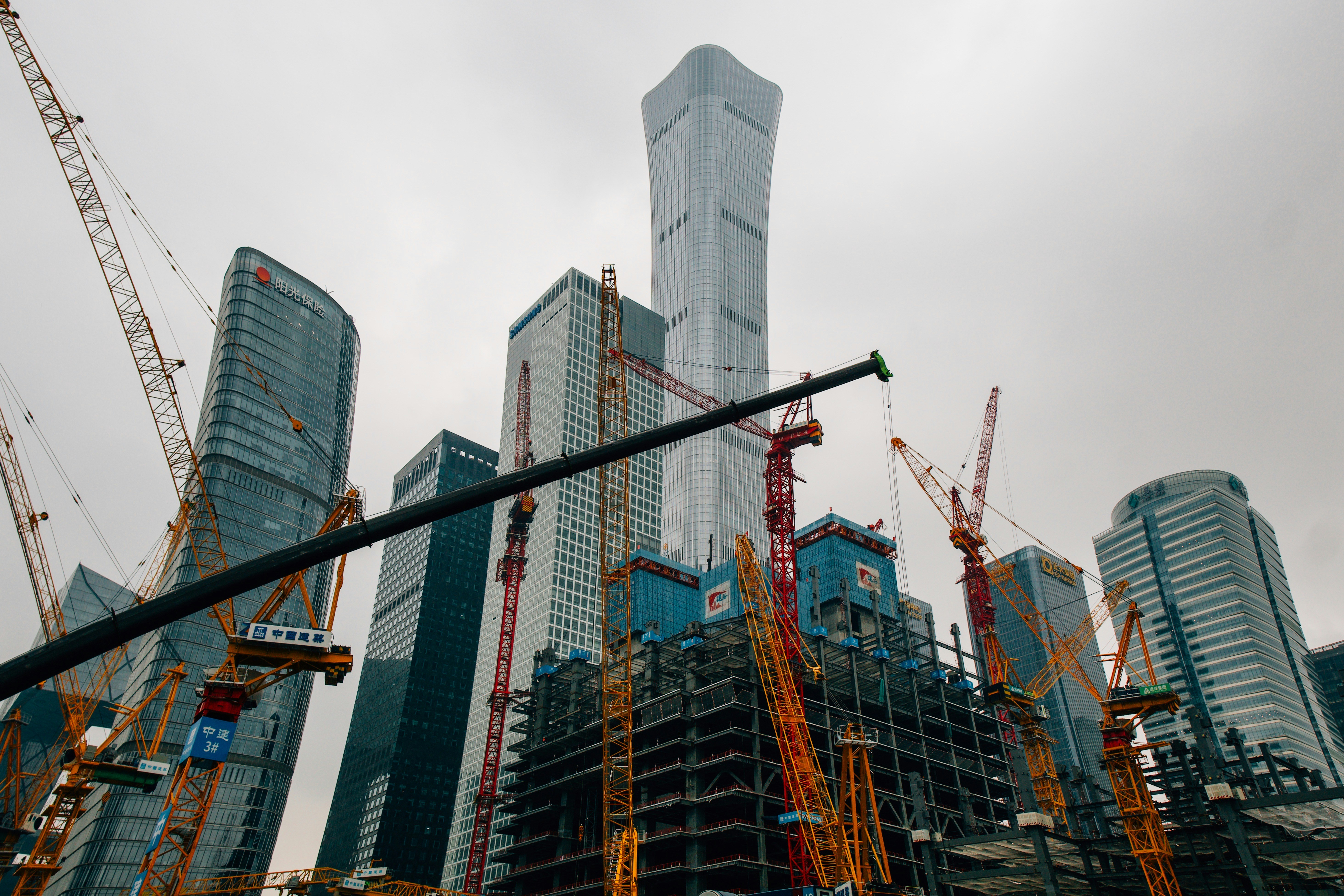
The current state of China’s property market remains dire. Millions of unfinished properties blight the landscape, while new home prices in major cities like Beijing and Shanghai have stalled. Land sales continue to plummet, and declines in property sales and construction are accelerating across the country. This prolonged downturn is a major drag on the world’s second-largest economy, with China’s economic growth slowing to 4.3% in the last quarter, its weakest in over three years. The crisis causes distress for millions of households and forces China to rely more heavily on exports for growth, potentially intensifying trade tensions with global partners.
While Hui Ka Yan’s sentencing sends a strong message to executives of other distressed developers, analysts are skeptical that it signals an immediate recovery for the beleaguered property sector. Many view the problem as systemic, with no clear end in sight. Concerns also exist among international creditors that the confiscation of Hui’s personal assets could complicate their efforts to recover funds. This uncertainty is likely to maintain volatility in related asset markets, including stocks and the yuan, as investors remain cautious about the overall economic outlook for China and its ripple effects globally.

newsroom
World