
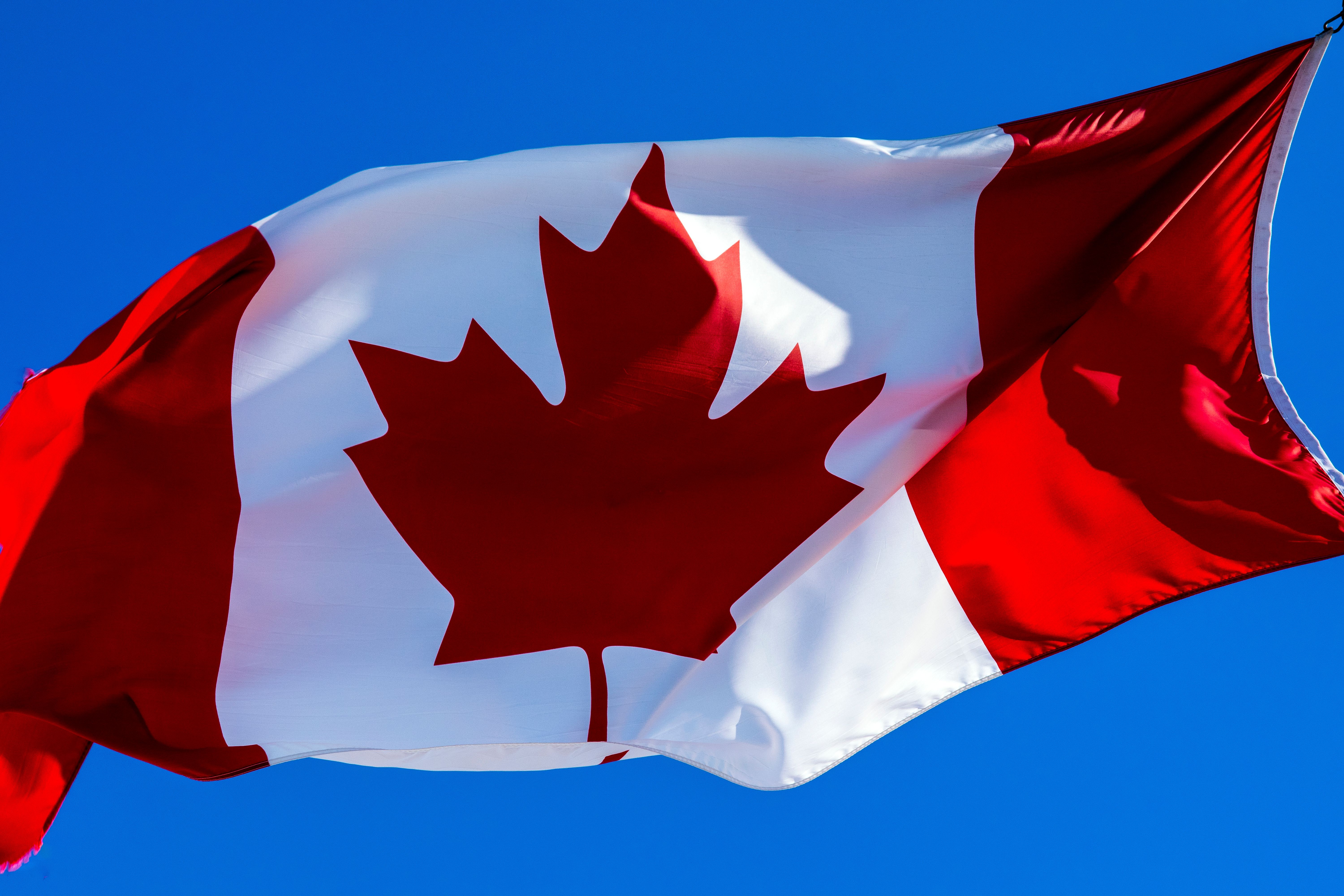
Canada announced it would impose retaliatory tariffs on U.S. goods after trade negotiations between the two countries collapsed. Prime Minister Mark Carney stated Saturday that Canada would implement “dollar-for-dollar” tariffs in response to the U.S. levying a 50% tariff on Canadian products. This move marks a significant escalation in the ongoing trade dispute between the long-time allies.
The U.S. tariffs, which took effect shortly after midnight Saturday, were imposed on approximately $20 billion worth of Canadian goods, representing about 5% of Canada’s exports to the U.S.. These duties cover a wide range of products including wine, furniture, dairy products, cement, clothing, fishing rods, and hockey equipment. U.S. President Donald Trump cited Canada’s “discriminatory treatment” of American dairy, alcohol, and motor vehicle exports as the reason for the tariffs, which were imposed under Section 338 of the Tariff Act of 1930.
Prime Minister Carney criticized the new U.S. terms as “uneconomic, unfair and undermined the net benefits to Canada,” questioning the reliability of any potential deal. He announced that Canada’s retaliatory tariffs would take effect on September 8, 2026, targeting U.S. sectors such as steel, dairy, paper, electronics, appliances, and agricultural equipment. Carney adopted strong rhetoric, stating, “You’re at war when you get attacked. We got attacked,” indicating a firm stance against the U.S. measures.
The escalation in trade tensions is generating concern among investors. Experts warn that increased tariffs could disrupt supply chains, leading to higher consumer prices and potentially exposing vulnerable Canadian industries, like softwood lumber and wine, to severe damage, resulting in job losses and business closures. Conversely, some U.S. metal producers, such as Nucor and Steel Dynamics, could see benefits from reduced competition due to the breakdown in talks. Overall, the deepening trade conflict is expected to heighten market uncertainty and contribute to volatility in related asset classes.

newsroom
World