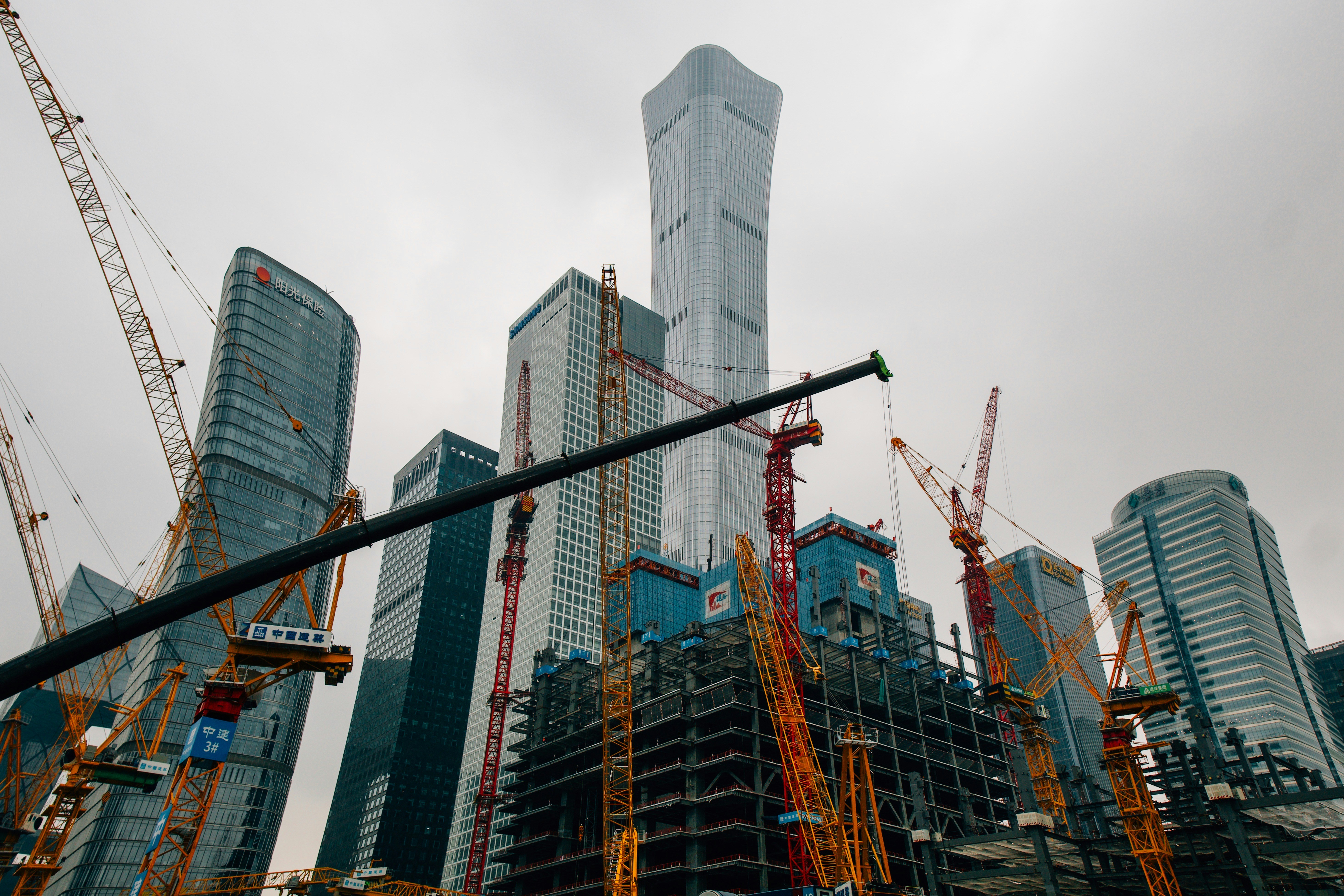

Shanghai, China’s largest city and economic engine, announced a further easing of its housing policies to stimulate demand within its struggling property market. This move comes as part of broader efforts by the Chinese government to stabilize the real estate sector, which has been a significant drag on economic growth.
The new measures include significant adjustments to eligibility and financing. Non-local residents can now purchase homes within Shanghai’s outer ring road if they have paid social insurance or individual income tax for just one year, a reduction from the previous three-year requirement. Additionally, the maximum provident fund loan for first-time homebuyers has been substantially raised from 1.6 million yuan to 2.4 million yuan (approximately $330,000 USD). Families with multiple children or those buying green buildings may qualify for an even higher limit of up to 3.24 million yuan.
These relaxed policies aim to alleviate the financial burden on potential buyers, thereby increasing transaction volumes and injecting much-needed confidence into the market. Shanghai’s property market has recently shown nascent signs of recovery, with new home prices increasing by 0.3% month-on-month in June 2026, and existing home prices rising by 0.4%. These figures represent some of the strongest performances among major Chinese cities.
Despite these positive short-term indicators, some analysts remain cautious, warning that the policy changes might not be enough to address fundamental issues like oversupply and persistently low consumer confidence across China. While major cities like Beijing and Shanghai show signs of revival, property markets in lower-tier cities continue to struggle, raising concerns about a widening regional disparity.
The policy adjustments are likely to provide a short-term boost to property developers’ stock prices and could improve overall economic sentiment. However, investors are expected to closely monitor the long-term effectiveness of these measures and their broader impact on the economy, maintaining a cautious approach given the underlying challenges in China’s real estate sector.

newsroom
World